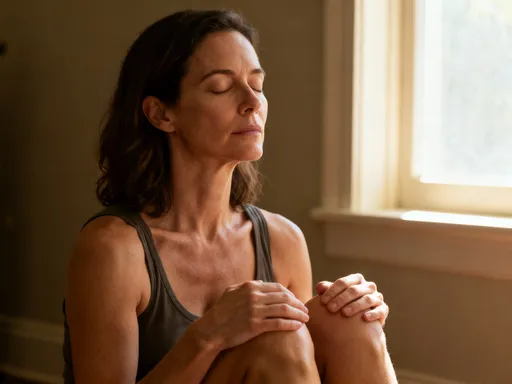
How I Started Healing Without Medication — Simple Moves That Actually Work
Recovering from injury or illness doesn’t always mean pills or surgery. I learned this the hard way after a long recovery that left me tired and stuck. What changed? Small, daily rehab habits — gentle movements, breathing, and consistency. These aren’t magic tricks, but they’re effective. If you’re new to preventive care and want to rebuild strength safely, this is for real people, not medical experts. Always check with your doctor — this is just what worked for me.
The Wake-Up Call: When My Body Said “No More”
It wasn’t a dramatic fall or a serious diagnosis that brought me to my knees — it was the slow erosion of energy, mobility, and confidence. For months, I had ignored the signals: stiffness in the mornings, aching shoulders after sitting too long, fatigue that no amount of coffee could fix. I thought I was just getting older, that this was the natural cost of managing a household, raising children, and working part-time. But one ordinary Tuesday, while lifting a laundry basket, I felt a sharp pull in my lower back. Not an injury, not exactly — but enough to stop me cold. That moment wasn’t about pain. It was about powerlessness. I couldn’t bend, couldn’t carry, couldn’t even stand for more than a few minutes without discomfort. The frustration was overwhelming. I felt like a prisoner in my own body, unable to do the things I had always taken for granted.
What followed was weeks of rest, poor sleep, and a growing sense of isolation. I wasn’t bedridden, but I wasn’t living either. Simple errands became exhausting. Playing with my grandchildren felt risky. I began to resent my body, not for failing me, but for being so fragile. That resentment turned into fear — fear of getting worse, fear of never feeling strong again. It was during a conversation with my family physician that I heard something that shifted everything: “Your body isn’t broken. It’s just been underused and overstressed for years. Recovery isn’t just about fixing what’s wrong — it’s about teaching your body how to move well again.” That idea — that healing could be active, not passive — was my wake-up call. I realized I had been waiting for a solution to come from the outside: a pill, an injection, a miracle. But the real change began when I accepted that I had to be part of the process.
That moment taught me a crucial lesson: preventive care isn’t something you start when you’re in crisis. It’s something you build before you need it. Too many of us wait until pain becomes unbearable, until fatigue becomes constant, until our bodies finally say “no more” before we listen. But by then, the road back is longer and harder. My low point wasn’t a single event — it was the culmination of years of neglect. And the most powerful step I took wasn’t a treatment. It was a decision: to stop waiting, and start moving.
Rehabilitation Isn’t Just for Injuries — Why Everyone Should Know This
When most people hear the word “rehabilitation,” they think of recovery after surgery, a car accident, or a sports injury. But rehabilitation is not just for the injured. It’s a vital part of lifelong health, especially as we age. At its core, rehabilitation is about restoring function — the ability to move, breathe, stand, walk, and live with ease. And that’s something everyone needs, regardless of whether they’ve ever seen a physical therapist. Think of it like maintenance for a car. You don’t wait for the engine to fail before changing the oil. Yet when it comes to our bodies, we often wait for pain or limitation before we take action. This reactive mindset sets us up for longer recoveries, more discomfort, and unnecessary loss of independence.
Preventive rehabilitation is about building resilience before problems arise. It includes simple practices like improving posture, increasing joint mobility, strengthening core muscles, and enhancing balance — all of which reduce the risk of falls, chronic pain, and long-term disability. Studies show that adults who engage in regular movement-based routines experience better energy levels, improved sleep, and greater emotional well-being. The World Health Organization emphasizes that physical inactivity is one of the leading risk factors for global mortality, contributing to conditions like heart disease, diabetes, and musculoskeletal disorders. Yet, many people still believe that as long as they’re not injured, they don’t need to focus on movement health. This is a dangerous misconception.
Another common myth is that rehabilitation is too intense or complicated for beginners. Some imagine it involves painful stretches, heavy weights, or hours at a clinic. The truth is, effective rehab doesn’t have to be extreme. In fact, the most powerful changes often come from the smallest, most consistent actions. Gentle walking, mindful breathing, and daily stretching are all forms of rehabilitation. They may not look impressive, but over time, they build a foundation of strength and flexibility that protects the body from wear and tear. The goal isn’t to become an athlete — it’s to remain independent, mobile, and confident in your own skin. Rehabilitation, when understood correctly, isn’t a punishment for being hurt. It’s a gift you give yourself to stay well.
My First Step: Learning to Move Again Without Fear
After my doctor’s advice, I knew I needed to move — but the idea terrified me. Every time I tried to stretch or walk a little farther, I braced for pain. My body had become a source of anxiety, not strength. I worried that any wrong move could make things worse. That fear is common, especially after a period of inactivity or discomfort. The nervous system becomes hypersensitive, interpreting even small sensations as threats. But I learned that movement, when done gently and consistently, is not the enemy — it’s the medicine. The key was to start so slowly that my body didn’t feel threatened. My first real step wasn’t a stretch or a walk — it was a promise to myself: I would move every day, even if only for five minutes, and I would listen to my body without judgment.
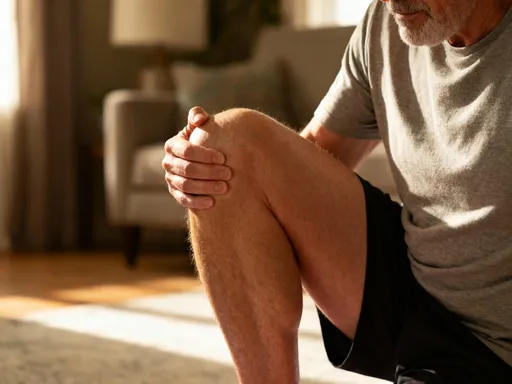
I began with simple joint mobility drills — small, controlled movements of the wrists, ankles, shoulders, and neck. These weren’t stretches or exercises in the traditional sense. They were slow circles, gentle tilts, and tiny ranges of motion designed to wake up stiff joints and improve circulation. I did them while sitting on the edge of my bed each morning. Then I added short walks — just around the house at first, then to the end of the driveway, then around the block. I didn’t push for speed or distance. I focused on posture: keeping my shoulders relaxed, my head aligned, my steps even. I paid attention to how my feet met the ground, how my arms swung, how my breath moved with my steps. These weren’t dramatic changes, but they reconnected me with my body in a way I hadn’t felt in years.
What surprised me most was how quickly my confidence grew. After a week of consistent movement, I noticed I could stand longer while cooking. After two weeks, I could kneel to garden without needing help to get up. The pain didn’t vanish overnight, but it softened. More importantly, my fear began to fade. I realized that movement wasn’t causing harm — it was teaching my body that it could be trusted again. The lesson was clear: consistency matters far more than intensity, especially in the early stages of recovery. A five-minute walk every day does more for long-term healing than an hour-long session once a week. Small actions, repeated over time, create lasting change. And the most important part of healing isn’t how far you go — it’s that you show up, again and again.
Breathing Like It Matters (Because It Does)
One of the most unexpected parts of my recovery was learning how to breathe. I had never thought about my breathing before — it just happened. But my physical therapist pointed out that I was breathing shallowly, mostly in my chest, especially when stressed or sitting for long periods. This type of breathing activates the sympathetic nervous system — the “fight or flight” response — which increases tension, raises heart rate, and can actually slow down healing. On the other hand, deep, diaphragmatic breathing activates the parasympathetic nervous system — the “rest and digest” mode — which calms the body, reduces inflammation, and supports recovery. Breathing, I realized, wasn’t just about oxygen. It was a direct line to my nervous system, a tool I could use to influence how my body felt and healed.
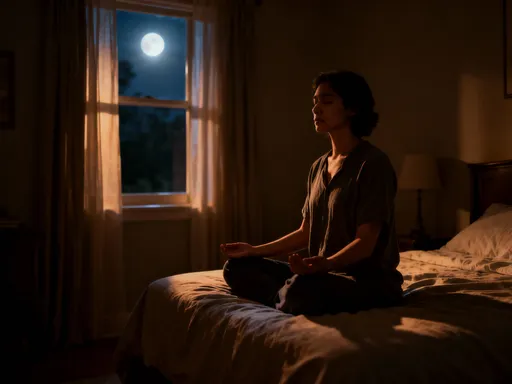
I started practicing diaphragmatic breathing every morning and evening. I would lie on my back with one hand on my chest and the other on my belly. The goal was simple: breathe in slowly through the nose, letting the belly rise while keeping the chest still. Then exhale slowly through the mouth, feeling the belly fall. At first, it felt awkward. My mind wandered. My breath was uneven. But I stuck with it, just five minutes a day. Over time, it became easier. I began to notice the effects: I felt calmer, my muscles were less tense, and I fell asleep more easily. I even started using breathwork during moments of discomfort — instead of tensing up, I would focus on slow, deep breaths. This didn’t eliminate pain, but it changed my relationship with it. I felt more in control.
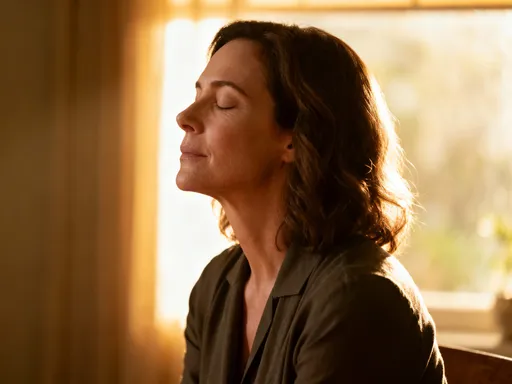
The connection between breath and healing is supported by research. Controlled breathing has been shown to reduce cortisol levels, improve vagal tone, and enhance circulation — all of which support tissue repair and emotional resilience. It’s a simple practice, but it’s powerful. Unlike medications or treatments that require a prescription, breathing is always available. It costs nothing. It takes only a few minutes. And it works best when done consistently. I now see breath as the foundation of my daily rehab routine. It sets the tone for movement, supports recovery, and reminds me that healing begins from within. You don’t need special equipment or training. You just need to pause, place a hand on your belly, and breathe like your health depends on it — because it does.
Building a Routine That Fits Real Life
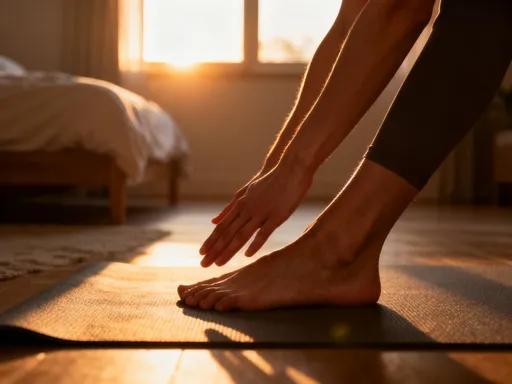
One of the biggest challenges in recovery is making healthy habits stick. It’s easy to feel motivated for a day or two, but long-term change requires a routine that fits into real life — not one that feels like a burden. I knew I couldn’t commit to an hour-long workout every morning. Between household chores, errands, and family responsibilities, time was limited. So I designed a rehab routine that took only 10 to 15 minutes a day and could be done at home with no special equipment. The key was simplicity and consistency. I broke it down into three parts: movement, breath, and mindfulness. Each day, I would do five minutes of gentle stretching or joint mobility, five minutes of diaphragmatic breathing, and five minutes of quiet reflection or gratitude journaling. That’s it. No fancy gear, no expensive classes, no complicated sequences.
To make it sustainable, I used a few simple tools. I set a daily timer on my phone as a reminder. I kept a small notebook to track what I did each day — not to judge myself, but to see progress over time. I also created a dedicated space in my living room: a yoga mat, a cushion, and a glass of water. Having a designated spot made it easier to get started. I didn’t wait for the “perfect” moment. I did my routine in the morning before breakfast, or in the evening after dinner. Some days I felt stiff or tired, but I still showed up — even if I only did two minutes of breathing. The goal wasn’t perfection. It was presence.
What made this routine work was that it didn’t feel like a chore. It became a ritual — a moment of care in the middle of a busy day. Over time, I began to look forward to it. It wasn’t just about physical healing. It was about giving myself permission to pause, to listen, to reconnect. And the benefits spilled over into other areas of life. I had more energy. I slept better. I felt calmer. I wasn’t doing anything extreme — just small, intentional actions every day. That’s the power of a well-designed routine: it doesn’t demand a lot, but it gives back even more. You don’t need hours or equipment. You just need a few minutes, a quiet space, and the willingness to begin.
When Progress Feels Slow — Staying Motivated Without Giving Up
There were days when I felt like I wasn’t getting better. Weeks would pass, and I’d wonder if anything was really changing. The mirror didn’t show dramatic results. The scale didn’t move. And sometimes, old aches would flare up, making me doubt whether I was doing the right thing. This is the emotional reality of recovery: progress is rarely linear. There are plateaus, setbacks, and moments of deep impatience. I had to learn that healing isn’t measured in grand transformations, but in small, quiet victories. The day I could tie my shoes without holding onto the wall. The night I slept through without waking from stiffness. The morning I walked to the mailbox and realized I hadn’t thought about my back once.
What kept me going was learning to track these subtle wins. I started paying attention to how I felt, not just how I looked. I noticed when my breathing felt deeper, when my steps felt lighter, when I could stand in the kitchen for 20 minutes without discomfort. I wrote these moments down in my journal. They weren’t flashy, but they were real. And over time, they added up. I also had to let go of the idea that every day had to be perfect. Some days, I skipped a stretch. Some days, I forgot to breathe. But I learned that missing one day didn’t erase my progress. What mattered was returning — gently, without guilt.
Motivation fades. Discipline wavers. But commitment grows when you focus on showing up, not on achieving a specific outcome. I stopped asking, “When will I be healed?” and started asking, “Did I take care of myself today?” That shift in mindset made all the difference. Healing isn’t about speed. It’s about consistency. It’s about choosing yourself, day after day, even when the results aren’t obvious. And when doubt creeps in — and it will — remember this: every small action is a vote for the kind of life you want to live. You don’t have to be perfect. You just have to keep going.
Beyond the Body: How Rehab Changed My Mindset
What surprised me most about this journey wasn’t the physical changes — though they were real. It was the shift in how I thought about my health. Before, I saw my body as something that either worked or broke. I waited for problems to appear, then looked for fixes. But rehab taught me a new way: health isn’t the absence of pain. It’s the presence of care. I began to see my daily routine not as a treatment, but as a form of self-respect. Each stretch, each breath, each mindful moment was a way of saying, “I matter.” This preventive mindset — listening to my body before pain arrives — has become my new normal.
I’ve become more attuned to subtle signals: a stiff neck after too much screen time, tight hips after sitting too long, shallow breathing when I’m stressed. Instead of ignoring them, I respond. I take a break. I stretch. I breathe. These small corrections prevent bigger issues down the road. I’ve also noticed improvements in areas I didn’t expect: better balance, fewer headaches, more energy for daily tasks. I can play with my grandchildren without fear. I can carry groceries. I can garden. These aren’t extraordinary feats — but they are extraordinary to me.
Rehabilitation has become a lifestyle, not a phase. It’s no longer something I do because I have to — it’s something I do because I want to. It’s given me a sense of agency, a belief that I have some control over how I feel as I age. That’s a powerful gift. And it’s available to anyone willing to start small and stay consistent. Healing isn’t just about fixing what’s broken. It’s about building a life where you feel strong, capable, and connected to your body — every single day.
Final Thoughts: Healing Is a Habit, Not a Sprint
Looking back, I realize that my recovery wasn’t about one big change. It was about hundreds of small choices — choosing to move when I wanted to rest, to breathe when I wanted to rush, to listen when I wanted to ignore. The habits I built didn’t require special knowledge or expensive tools. They required only commitment, patience, and self-compassion. If you’re reading this and feeling stuck, overwhelmed, or unsure where to start, know this: you don’t need to do everything at once. You just need to begin. Start with five minutes of gentle movement. Try one breathing exercise. Notice how your body feels. These small steps are the foundation of lasting change.
Healing is not a race. It’s a daily practice. It’s about showing up for yourself, even when progress feels slow. It’s about trusting that small, consistent actions add up to something meaningful. And it’s about remembering that you are not broken — you are learning, adapting, and growing. Your body is resilient. It wants to heal. It just needs your attention and care.
This journey is deeply personal, and what worked for me may not work exactly the same way for you. Always consult with a healthcare professional before beginning any new health or rehabilitation program. But know this: you have the power to change how you feel. You don’t have to wait for a crisis to start taking care of yourself. Begin today. Move gently. Breathe deeply. Listen closely. Healing isn’t something that happens to you — it’s something you choose, one small habit at a time.