Move More, Live Stronger: How Daily Exercise Shields Your Body
Living with constant fatigue and frequent colds used to be my norm—until I discovered how movement reshapes health. Science shows regular exercise boosts immunity, balances mood, and slashes disease risk. This guide breaks down exactly how physical activity acts as a daily defense system. From small lifestyle shifts to sustainable habits, you’ll learn practical ways your body fights back—naturally. The truth is, you don’t need extreme workouts or hours at the gym. What matters most is consistency, movement you enjoy, and understanding how each step, stretch, or climb strengthens your body’s ability to stay healthy. This is not about perfection—it’s about protection.
The Hidden Cost of Sitting Still
Sedentary behavior has quietly become one of the most significant public health challenges of modern life. Many adults spend upwards of eight to ten hours a day sitting—whether at a desk, in front of a screen, or during long commutes. While this may seem harmless, research from the World Health Organization (WHO) identifies physical inactivity as the fourth leading risk factor for global mortality, contributing to approximately 3.2 million deaths annually. The human body was designed for movement, not prolonged stillness, and when it doesn’t move, biological systems begin to slow down in ways that can lead to serious health consequences.
One of the most immediate effects of inactivity is on the cardiovascular system. Without regular muscle contractions, particularly in the legs, blood flow slows, increasing the risk of blood clots and elevated blood pressure. At the same time, the body’s ability to regulate blood sugar declines. Muscles that aren’t active become less sensitive to insulin, which can lead to insulin resistance—a key precursor to type 2 diabetes. A study published in the journal Diabetologia found that just one day of inactivity can reduce insulin sensitivity by as much as 20%, highlighting how quickly the body begins to deteriorate without movement.
The immune system also suffers under sedentary conditions. Immune cells circulate more slowly when a person is inactive, reducing their ability to detect and respond to pathogens. Additionally, chronic sitting is associated with higher levels of systemic inflammation, a condition linked to heart disease, arthritis, certain cancers, and autoimmune disorders. Inflammatory markers such as C-reactive protein (CRP) and interleukin-6 (IL-6) are consistently elevated in individuals with low physical activity levels. This means the body is in a constant state of low-grade alert, even in the absence of infection, which over time can exhaust its defenses.
Perhaps most concerning is the psychological toll of inactivity. The brain relies on blood flow and neurochemical balance to function optimally. Sitting for long periods reduces cerebral circulation and lowers the production of endorphins and brain-derived neurotrophic factor (BDNF), a protein essential for cognitive health. This can contribute to brain fog, low mood, and even an increased risk of depression. For many women between 30 and 55, who often juggle family, work, and household responsibilities, the compounding effects of fatigue and mental strain can make it even harder to find the energy to move—creating a difficult cycle to break.
Exercise as a Shield: How Movement Fights Disease
Physical activity is one of the most effective tools available for strengthening the body’s natural defenses. Unlike medications or supplements, exercise works on multiple systems simultaneously, enhancing immune function, improving metabolic health, and reducing the risk of chronic disease. The key lies in understanding that movement is not just about burning calories—it’s about sending positive signals to every cell in the body. When you engage in regular physical activity, you activate a cascade of biological responses that prepare your system to resist illness and recover faster when challenged.
One of the most powerful ways exercise supports immunity is by increasing the circulation of immune cells. During moderate activity, such as brisk walking or cycling, immune surveillance improves as natural killer (NK) cells, T-cells, and macrophages move more efficiently through the bloodstream. These cells are responsible for identifying and destroying viruses, bacteria, and abnormal cells before they can cause harm. Research from the University of Bath shows that even a 20-minute walk can boost the circulation of these protective cells for several hours afterward, effectively giving your immune system a daily tune-up.
Chronic inflammation, a silent driver of many diseases, is also significantly reduced through regular movement. Exercise stimulates the release of anti-inflammatory cytokines such as interleukin-10 (IL-10), while simultaneously suppressing pro-inflammatory molecules. This balancing effect helps protect against conditions like heart disease, type 2 diabetes, and certain cancers. A meta-analysis published in the British Journal of Sports Medicine found that individuals who exercised regularly had, on average, 12% lower levels of CRP compared to their inactive peers—evidence of a body operating in a healthier, more balanced state.
Different types of exercise offer distinct benefits. Aerobic activities—such as walking, swimming, or dancing—improve cardiovascular endurance and lung capacity while enhancing immune cell mobility. Resistance training, including bodyweight exercises or light weightlifting, builds muscle mass, which plays a crucial role in glucose metabolism and long-term metabolic health. Flexibility and balance exercises, like yoga or tai chi, reduce injury risk and support joint health, making it easier to stay active over time. The most effective approach combines all three, creating a well-rounded defense system that adapts to the body’s changing needs.
Real Results: What Science Says About Activity Levels
The evidence supporting regular physical activity is overwhelming. Major health organizations, including the Centers for Disease Control and Prevention (CDC) and the World Health Organization (WHO), recommend at least 150 minutes of moderate-intensity aerobic activity per week—about 30 minutes a day, five days a week. This level of activity has been shown to reduce the risk of coronary heart disease by up to 30%, lower the likelihood of stroke by 27%, and decrease the incidence of type 2 diabetes by nearly 40%. These are not minor improvements—they represent meaningful protection against some of the leading causes of death worldwide.
Long-term studies reinforce these findings. The Nurses’ Health Study, which followed over 70,000 women for more than two decades, found that those who walked briskly for three or more hours per week had a 35% lower risk of cardiovascular events compared to those who walked less than one hour weekly. Similarly, data from the UK Biobank revealed that individuals who met the 150-minute weekly guideline had a 28% lower risk of premature death from any cause. Importantly, these benefits were observed across age groups, body weights, and fitness levels—indicating that movement helps everyone, regardless of starting point.
The relationship between activity and health is often described as a “dose-response” curve—meaning that more movement generally leads to greater protection, up to a point. However, even small increases in activity can yield significant results. A study published in JAMA Internal Medicine found that replacing just 30 minutes of sitting with light walking each day was associated with a 14% reduction in all-cause mortality. This is encouraging news for those who feel overwhelmed by the idea of structured workouts. It means that parking farther from the store, standing while folding laundry, or pacing during phone calls can collectively make a measurable difference.
What’s more, the protective effects of exercise extend beyond physical health. Regular activity has been linked to a 26% lower risk of developing depression, according to a review in JAMA Psychiatry. This is likely due to the combined effects of improved sleep, reduced inflammation, and increased production of mood-regulating neurotransmitters like serotonin and dopamine. For women managing stress, hormonal fluctuations, or the emotional demands of caregiving, this mental resilience is a critical part of overall well-being. Exercise, in this sense, is not just a preventive measure—it’s a daily investment in both body and mind.
Finding Your Fit: Matching Exercise to Lifestyle
One of the biggest misconceptions about physical activity is that it must look a certain way—structured, intense, or time-consuming. The truth is, movement that fits into your life is far more valuable than a perfect routine you can’t sustain. The key is to find activities that align with your schedule, energy levels, and personal preferences. For many women in their 30s to 50s, this might mean prioritizing short, manageable sessions over long workouts, or choosing enjoyable movements that feel less like exercise and more like self-care.
Walking is one of the most accessible and effective forms of exercise. It requires no special equipment, can be done almost anywhere, and is gentle on the joints. Whether it’s a morning walk around the neighborhood, a lunchtime stroll, or an evening trek with family, each step contributes to better circulation, improved mood, and stronger immunity. Gardening, another underrated form of activity, combines physical movement with mental relaxation. Digging, planting, and weeding engage large muscle groups, improve balance, and expose you to sunlight—boosting vitamin D levels, which play a role in immune regulation.
Dancing is another joyful way to stay active. Whether it’s turning up the music while cooking or joining a local dance class, movement to music elevates the heart rate while reducing stress. Studies show that rhythmic movement can enhance coordination, improve memory, and increase feelings of social connection—especially important for those who spend long hours alone. Home workouts, such as stretching, light resistance training, or online fitness videos, offer flexibility for those with unpredictable schedules. Even five to ten minutes of movement between tasks can help break up sedentary time and re-energize the body.
For those who work from home or spend long hours seated, simple changes can add up. Standing during phone calls, taking the stairs instead of the elevator, or doing calf raises while brushing your teeth are all examples of “exercise snacking”—brief bursts of movement that improve circulation and reduce the negative effects of sitting. The goal is not to overhaul your life overnight but to weave more movement into your existing routine. Over time, these small choices become habits, and habits become a lifestyle that naturally supports long-term health.
Building a Routine That Sticks
Starting an exercise habit is often easier than maintaining it. Many people begin with enthusiasm, only to lose momentum when life gets busy or results don’t appear quickly. The secret to long-term success lies in behavior change strategies that prioritize consistency over intensity. Research in behavioral psychology shows that habits are more likely to stick when they are simple, rewarding, and integrated into existing routines. This means setting realistic expectations and focusing on progress, not perfection.
The “start small, build slow” method is one of the most effective approaches. Instead of aiming for 30 minutes of exercise every day, begin with five or ten minutes of walking after dinner. Once that feels natural, gradually increase the duration or add a second session during the week. This approach reduces the risk of burnout and makes it easier to stay consistent, even during stressful periods. Tracking progress—whether through a journal, a fitness app, or a simple calendar checkmark—can also reinforce motivation by providing visible evidence of effort and improvement.
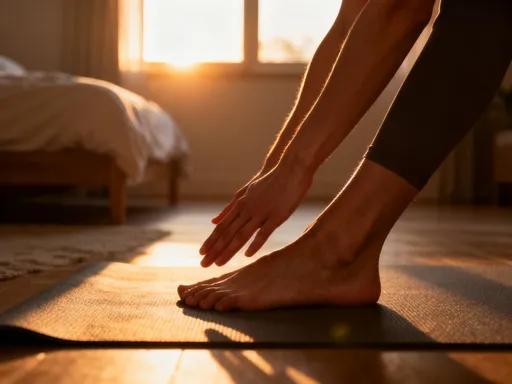
Pairing movement with an existing habit increases the likelihood of adherence. This technique, known as habit stacking, involves linking a new behavior to an established one. For example, doing a few stretches after brushing your teeth or taking a short walk after lunch creates a natural cue for action. Over time, the brain begins to associate the existing habit with the new behavior, making it feel automatic. Similarly, scheduling workouts at the same time each day—such as right after dropping the kids at school—helps build structure and reduces decision fatigue.
Another important factor is mindset. Viewing exercise as a form of self-respect rather than a chore can shift how it’s experienced. Instead of thinking, “I have to work out,” reframe it as, “I get to move my body and take care of myself.” This subtle change fosters a sense of empowerment and reduces resistance. Celebrating small wins—like completing a week of daily walks or trying a new activity—also reinforces positive behavior and builds confidence for future challenges.
Beyond the Body: Mental and Immune Perks
The benefits of physical activity extend far beyond physical strength and stamina. Exercise is a powerful regulator of mental and emotional health, which in turn supports immune function. Chronic stress, a common experience for many women balancing work, family, and personal responsibilities, triggers the release of cortisol—the body’s primary stress hormone. While cortisol is essential in short bursts, prolonged elevation can suppress immune activity, increase inflammation, and disrupt sleep. Regular movement helps regulate cortisol levels, promoting a more balanced hormonal environment.
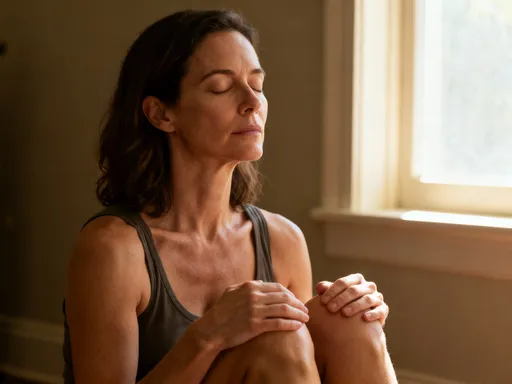
Physical activity also stimulates the production of endorphins, serotonin, and dopamine—neurochemicals associated with feelings of well-being and relaxation. These natural mood enhancers can reduce symptoms of anxiety and low mood, making it easier to cope with daily stressors. A study from Harvard Medical School found that regular exercisers reported 43% fewer days of poor mental health per month compared to inactive individuals. This mental clarity and emotional stability are not just pleasant side effects—they are essential components of a resilient immune system.
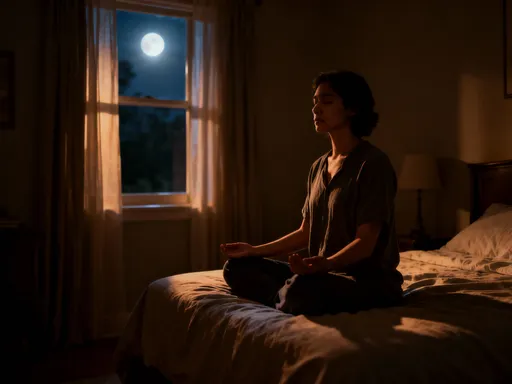
Sleep quality is another area where exercise delivers significant benefits. Poor sleep weakens immune defenses, impairs cognitive function, and increases the risk of chronic disease. Engaging in moderate physical activity, especially earlier in the day, helps regulate the body’s circadian rhythm and promotes deeper, more restorative sleep. Research shows that people who exercise regularly fall asleep faster and spend more time in restorative sleep stages, which is when the body repairs tissues, consolidates memories, and strengthens immune responses.
Additionally, the sense of accomplishment that comes from regular movement fosters self-efficacy—the belief in one’s ability to succeed. This psychological strength can ripple into other areas of life, improving decision-making, resilience, and overall life satisfaction. For women who may feel overlooked or overwhelmed, carving out time to move is a quiet but powerful act of self-worth. It sends a message: I matter. My health matters. And that mindset, in itself, becomes a form of protection.
When to Seek Expert Guidance
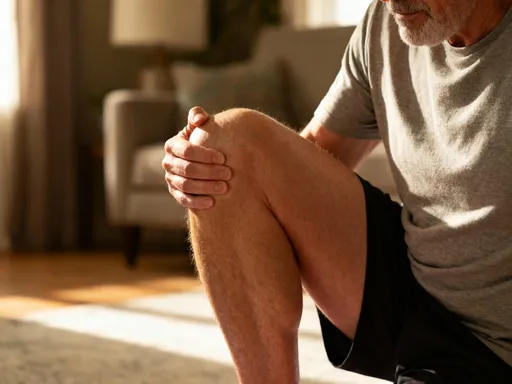
While physical activity is a cornerstone of preventive health, it is not a substitute for professional medical care. Before beginning any new exercise program—especially if you have existing health conditions such as heart disease, arthritis, or high blood pressure—it is important to consult with a healthcare provider. They can help assess your current fitness level, identify any limitations, and recommend safe, effective ways to become more active. This is particularly important for women entering perimenopause or menopause, when hormonal changes can affect energy, joint health, and cardiovascular function.
For those managing chronic conditions, working with a physical therapist or certified exercise professional can ensure that movements are performed safely and effectively. These experts can design personalized plans that accommodate physical limitations while still providing meaningful benefits. They can also help monitor progress and adjust routines as needed, reducing the risk of injury and maximizing results.
It’s also important to listen to your body. While some muscle soreness is normal when starting a new activity, persistent pain, dizziness, or shortness of breath should not be ignored. These symptoms may indicate an underlying issue that requires medical evaluation. Exercise should enhance well-being, not compromise it. By combining self-awareness with professional guidance, you create a balanced approach that honors both your goals and your body’s needs.
In the end, movement is not a one-size-fits-all solution, nor is it a magic cure. But when approached with intention, consistency, and care, it becomes one of the most powerful tools available for living a stronger, healthier life. Every step, stretch, and breath is a quiet act of resistance against the forces of inactivity and disease. And for women who carry so much for others, it is also a profound act of self-preservation—a daily promise to stay well, stay strong, and keep moving forward.