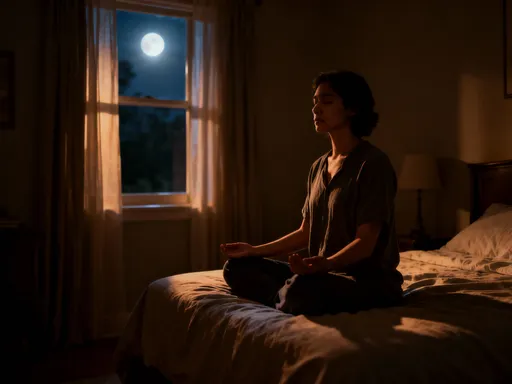
Why I Started Managing Emotions to Slow Aging — And It Actually Worked
You’ve probably heard stress ages you — but how much truth is there? I didn’t believe it until I noticed my skin dulling, energy dropping, and sleep worsening after months of emotional burnout. Turns out, science shows chronic stress speeds up cellular aging. This isn’t about anti-wrinkle creams. It’s about what’s happening inside. What changed for me wasn’t a pill, but learning to manage emotions daily. Here’s how simple, science-backed shifts made a real difference — and can for you too.
The Hidden Link Between Emotions and Aging
For years, the signs crept in quietly. A little more fatigue by mid-afternoon. Fine lines that deepened faster than expected. Trouble falling asleep, even when physically exhausted. At first, these were dismissed as normal signs of getting older. But research now reveals a more profound truth: emotional health is deeply tied to physical aging. Chronic emotional stress — the kind that lingers from daily pressures, unresolved conflicts, or unprocessed frustration — triggers biological changes that accelerate how quickly our bodies age at the cellular level.
One of the key players in this process is cortisol, often called the “stress hormone.” When emotional tension becomes constant, cortisol levels remain elevated. Over time, this disrupts metabolic balance, weakens immune response, and contributes to inflammation throughout the body. Inflammation, in turn, is linked to nearly every age-related condition, from joint stiffness to slower skin repair. But perhaps the most compelling evidence lies in our DNA. Telomeres — the protective caps at the ends of our chromosomes — naturally shorten as we age. However, studies have shown that people under prolonged emotional strain experience faster telomere shortening, a marker associated with premature cellular aging.
It’s not just major life crises that take a toll. Everyday emotional friction — snapping at a child during a morning rush, feeling unseen in a relationship, or carrying the weight of unmet expectations — can accumulate in ways the body remembers. These micro-stresses may seem minor in the moment, but when repeated daily, they signal the nervous system to stay in low-grade alert mode. This constant activation wears down bodily systems much like an engine left idling for too long. The result? Accelerated aging that shows up not just in appearance, but in energy, focus, and overall vitality.
What makes this connection so powerful is that it shifts the conversation from external fixes to internal awareness. It’s not about avoiding stress entirely — that’s impossible. It’s about how we respond to it. When emotions like anxiety, sadness, or frustration are consistently ignored or suppressed, they don’t disappear. Instead, they manifest physically. Recognizing this link was the first step toward change. The body isn’t aging in isolation; it’s responding to the emotional environment we create for ourselves every day.
Why Most Beginners Get Emotion Management Wrong
When the idea of managing emotions first entered my awareness, the instinct was to fix it quickly. Maybe through meditation apps, weekend retreats, or simply trying to “think positive.” But these approaches often miss the core issue. Many people assume emotion management means eliminating negative feelings or achieving a constant state of calm. In reality, that’s neither possible nor healthy. Emotions are natural signals — they alert us to needs, boundaries, and values. The goal isn’t to erase them, but to respond with awareness rather than reaction.
A common mistake is equating relaxation with regulation. Watching TV, scrolling through social media, or eating comfort food might offer temporary distraction, but they don’t resolve the underlying emotional charge. These habits can even reinforce avoidance patterns, making it harder to build true resilience over time. Another misconception is waiting for a crisis — burnout, a health scare, or relationship breakdown — before taking emotional health seriously. By then, the body has often already sustained years of silent wear and tear.
Some try to suppress difficult emotions, believing that showing frustration or sadness is a sign of weakness. Yet research shows that chronic suppression increases physiological stress. It’s like pressing down on a spring: the energy doesn’t vanish; it builds pressure until it finds another outlet — often as fatigue, irritability, or physical tension. True emotion management isn’t about control through force, but about cultivating a balanced relationship with what we feel.
Another pitfall is the expectation of perfection. Many give up after a few off days, believing they’ve “failed” at the practice. But emotional regulation is not a switch to flip; it’s a skill to develop. It requires patience, consistency, and self-compassion. Progress isn’t measured by the absence of stress, but by how quickly we can return to equilibrium after being thrown off balance. Recognizing these misconceptions was crucial. Once I stopped chasing quick fixes and accepted emotion management as a gradual, ongoing process, real change became possible.
The Science Made Simple: How Calming Your Mind Slows Aging
Understanding the science behind emotional regulation transformed my approach from hopeful experiment to committed practice. At the heart of this transformation is the nervous system — specifically, the balance between the sympathetic (fight-or-flight) and parasympathetic (rest-and-digest) branches. When emotional stress dominates, the sympathetic system remains overactive, keeping the body in a state of readiness that drains energy and accelerates aging. The good news? This system can be recalibrated through intentional, everyday practices.
Studies on mindfulness and meditation have shown measurable effects on biological aging. One landmark study found that individuals who engaged in regular mindfulness practices had higher telomerase activity — the enzyme responsible for maintaining telomere length — compared to control groups. While telomeres naturally shorten over time, supporting their health through emotional regulation can slow this process significantly. This isn’t about stopping aging altogether, but about preserving cellular vitality for longer.
Another key benefit is reduced systemic inflammation. Chronic emotional stress triggers the release of pro-inflammatory cytokines, molecules linked to joint discomfort, slower recovery, and dull skin tone. When stress is managed effectively, these markers decrease, allowing the body to function more efficiently. Heart rate variability (HRV), a measure of nervous system flexibility, also improves with consistent emotional regulation. Higher HRV is associated with better cardiovascular health, improved sleep quality, and greater emotional resilience — all markers of slower biological aging.
Think of your nervous system like a thermostat. When it’s set too high — constantly reacting to emotional triggers — the body runs hot, using more energy and wearing down faster. Emotional regulation acts like adjusting that thermostat, bringing the system back to a balanced setting. Simple practices like pausing before reacting, breathing consciously, or reflecting at the end of the day help reset this internal climate. Over time, the body spends less energy on stress and more on repair, renewal, and resilience. The science is clear: calming the mind isn’t just good for mental well-being — it’s a direct investment in long-term physical health.
My First Step: Tracking Emotional Triggers (No Journaling Required)
When I began, the idea of journaling every emotion felt overwhelming. Between family, work, and daily responsibilities, adding another task seemed unsustainable. What worked instead was a simpler, more intuitive method: mental tagging. Rather than writing things down, I started noticing emotional shifts in real time and assigning them a brief label — words like “rushed,” “unseen,” “overloaded,” or “dismissed.” This took no extra time, yet it created immediate awareness.
For example, during a hectic school morning, I noticed a spike of tension in my chest. Instead of reacting automatically, I paused and silently named it: “rushed.” That single word created space between feeling and reaction. I wasn’t ignoring the stress; I was acknowledging it without letting it dictate my behavior. Over time, this practice reduced the intensity of my stress responses. The body begins to relax when it feels seen, even internally.
Another common trigger was feeling “unseen” — perhaps after making dinner, managing schedules, and receiving no acknowledgment. Naming this emotion helped me understand it wasn’t about the moment itself, but a deeper need for appreciation. Once identified, I could address it constructively — either by expressing the need gently or reframing my expectations. The power wasn’t in fixing it instantly, but in no longer being blindsided by it.
This method works because it builds emotional literacy without burden. You don’t need pen, paper, or extra time. The act of noticing and labeling engages the prefrontal cortex, the part of the brain responsible for regulation, which helps calm the emotional centers. Over weeks, this small habit rewired my automatic reactions. I became less reactive in conversations, slept more soundly, and felt more in control — not because life had changed, but because my relationship with my emotions had.
Three Daily Habits That Actually Work — And Take Under 10 Minutes
Once awareness was established, I focused on simple, repeatable actions that fit into a busy day. These weren’t grand gestures or hour-long meditations. They were small, consistent practices that added up to meaningful change. The key was sustainability — doing a little every day, rather than relying on occasional deep work.
The first habit was **box breathing**: inhale for four counts, hold for four, exhale for four, hold for four. I did this for just two minutes, usually after dropping the kids at school or before starting dinner. This simple technique activates the parasympathetic nervous system, signaling the body to shift from stress to calm. Within days, I noticed a difference in my heart rate and mental clarity. Over weeks, it became a reliable anchor during moments of tension.
The second habit was the **intentional pause** — a deliberate stop before reacting to an emotional trigger. Whether it was a frustrating text, a messy kitchen, or an unmet request, I began taking three slow breaths before responding. This didn’t mean suppressing emotion; it meant choosing how to express it. That brief pause prevented many unnecessary conflicts and preserved my energy. It also modeled emotional regulation for my family, creating a calmer home environment.
The third habit was **evening reflection** — five minutes before bed to ask: “When did I feel most balanced today? When did I feel most reactive?” No judgment, just observation. This helped me recognize patterns and celebrate small wins. Did I handle a difficult conversation with patience? Did I notice tension and release it with a breath? These moments of recognition reinforced progress and built confidence.
Together, these habits took less than ten minutes a day, yet their impact was profound. Better sleep became the first noticeable change. Then came more stable energy, fewer afternoon crashes, and a return of skin radiance I hadn’t seen in years. These weren’t miracles — they were the body’s natural response to reduced stress. The lesson was clear: consistency matters more than intensity. Small actions, repeated daily, reshape our biology over time.
How to Stay Consistent Without Being Perfect
There were days — sometimes weeks — when the habits slipped. A family illness, a work deadline, or unexpected travel disrupted the routine. Old patterns returned: snapping at loved ones, skipping breathwork, scrolling mindlessly to cope. In the past, these setbacks would have led to guilt and abandonment of the practice. But this time, I approached them differently: with self-compassion.
I reminded myself that emotional regulation is a skill, not a performance. No one learns to ride a bike without falling. Similarly, building emotional resilience involves stumbles. The goal isn’t perfection, but awareness and return. When I noticed I’d been reactive, instead of criticizing myself, I asked: “What did I need in that moment? Was I tired? Overwhelmed? Unheard?” This shifted the focus from blame to understanding.
To restart, I used a simple rule: one small action is enough. If I’d missed days of breathing practice, I’d do just one round of box breathing. If reflection had lapsed, I’d pause for one minute to check in. These micro-reentries rebuilt momentum without pressure. Over time, the gaps between setbacks grew longer, and recovery became quicker. Progress wasn’t linear, but the overall trajectory was upward.
Another strategy was environmental support. I placed gentle reminders — a sticky note on the mirror, a phone wallpaper with a calming image — to prompt awareness without pressure. I also shared my intentions with a trusted friend, not for accountability, but for shared understanding. Knowing someone else valued emotional health made it easier to prioritize, even on hard days. The journey isn’t about never falling — it’s about learning how to get back up with kindness and clarity.
When to Seek Help — And Why It’s Part of Smart Self-Care
While daily habits made a significant difference, there were moments when I realized I needed more than self-guided practices. Persistent low mood, difficulty concentrating, and a sense of emotional numbness lingered despite my efforts. That’s when I understood: managing emotions doesn’t mean doing it alone. Seeking professional support is not a sign of failure — it’s an act of wisdom.
Therapy provided tools I couldn’t find on my own. A trained professional helped me uncover deeper patterns — how childhood experiences shaped my stress responses, or how unmet needs influenced my reactions. This wasn’t about dwelling on the past, but about gaining insight to make better choices in the present. Coaching offered practical strategies tailored to my lifestyle, making emotional regulation feel more accessible and less abstract.
Professional support also normalized the struggle. Talking with a therapist reminded me that many women in midlife face similar challenges — the invisible load of caregiving, the pressure to “have it all together,” the quiet erosion of self-worth. Knowing I wasn’t alone reduced shame and increased motivation. It also ensured I wasn’t mistaking clinical anxiety or depression for mere stress — conditions that benefit from structured care.
Just as we see a doctor for physical symptoms, emotional health deserves the same attention. Regular check-ins with a mental health professional can be part of long-term wellness, not just crisis intervention. It’s like maintenance for the mind: tune-ups that prevent bigger issues down the road. Emotion management isn’t a solo journey. Sometimes, the bravest and most effective step is asking for help.
Managing emotions to slow aging isn’t a trendy wellness fad — it’s a fundamental shift in how we care for ourselves. The body ages in response to its internal environment, and chronic emotional stress creates a climate of accelerated wear. By learning to respond to feelings with awareness rather than reaction, we support cellular health, reduce inflammation, and preserve vitality. The habits that helped me — tracking triggers, breathing intentionally, pausing before reacting — are simple, but their effects are profound.
What changed wasn’t just how I looked, but how I lived. More energy. Deeper sleep. Greater presence with loved ones. These aren’t luxuries; they’re signs of a body functioning optimally. Longevity isn’t only about diet and exercise. It’s also about how we meet life’s daily emotional demands. When we treat emotional regulation as essential self-care — not optional self-improvement — we invest in a future that’s not just longer, but richer, calmer, and more vibrant. The most powerful anti-aging tool may not be in a bottle. It’s in the way we choose to respond, moment by moment, to the life we’re living.