You Gotta Taste This: Curitiba’s Shopping & Food Scene Blew My Mind
I never thought a city could blend shopping and dining so perfectly—until I hit the streets of Curitiba. This vibrant Brazilian hub isn’t just about malls and markets; it’s where every bite tells a story and every purchase feels personal. From bustling market stalls to cozy eateries tucked behind boutiques, the energy is electric. If you're craving authentic flavors while hunting for local gems, Curitiba delivers. Let me take you through the spots that made my trip unforgettable.
Why Curitiba Stands Out in South American Urban Travel
Curitiba is not your typical South American metropolis. While other cities dazzle with colonial charm or coastal flair, Curitiba distinguishes itself through innovation, sustainability, and thoughtful urban design. Known as one of the greenest cities in Latin America, it boasts over 50 square meters of green space per resident—a figure few global cities can match. Its pioneering bus rapid transit system, introduced decades ago, moves people efficiently and reduces traffic congestion, making it remarkably easy to explore on foot or via public transport. This seamless mobility transforms the travel experience, allowing visitors to wander from district to district without stress.
What truly sets Curitiba apart, however, is its cultural mosaic. The city’s population reflects a deep European influence, particularly from German, Italian, and Polish immigrants who settled here in the 19th and 20th centuries. This heritage lives on in the architecture, language accents, and most vividly, in the food and craftsmanship found throughout the city. Cobblestone squares echo with the scent of freshly baked bread, while storefronts display hand-carved wooden figurines and embroidered textiles reminiscent of Old World traditions. Yet these elements are not preserved behind glass—they are lived, used, and celebrated daily.
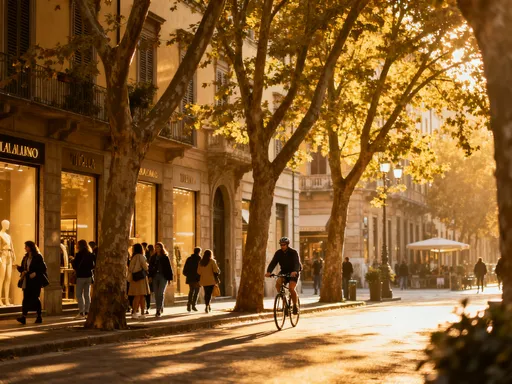
For travelers seeking authenticity without sacrificing comfort, Curitiba offers a rare balance. Unlike tourist-heavy destinations where experiences feel staged, here the rhythm of life unfolds naturally. Markets open at dawn, families gather in tree-lined parks, and shopkeepers greet regulars by name. This genuine atmosphere enhances every aspect of the visitor’s journey, especially when it comes to shopping and dining. Because of its walkable neighborhoods, efficient transit, and rich cultural fabric, Curitiba invites deep exploration—one where discovery happens not by checklist, but by curiosity.
Shopping with Soul: Beyond the Malls
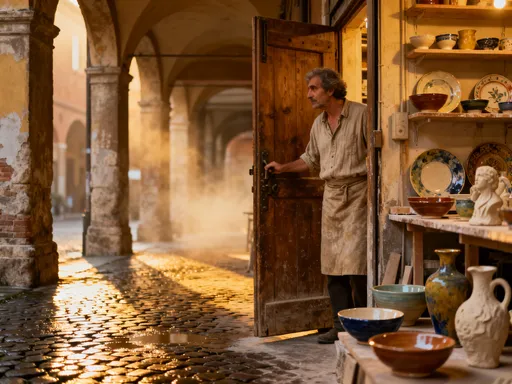
While Curitiba proudly hosts modern shopping centers like Shopping Palladium and Shopping Estação, the city’s retail heart beats strongest in its independent boutiques and artisan markets. These spaces offer more than goods—they offer connection. In the historic Largo da Ordem district, for example, the Feira do Largo da Ordem unfolds every Saturday beneath colonial-era arches, transforming the square into a living gallery of local talent. Here, visitors encounter handmade leather bags, hand-painted ceramics, and jewelry crafted from semi-precious stones mined in southern Brazil.
What makes these markets special is the human element. Vendors aren’t just selling—they’re sharing stories. A potter might explain how her techniques have been passed down through generations, or a textile artist could describe the natural dyes used to color her scarves. These interactions transform shopping from transactional to relational, creating memories that last far longer than any souvenir. The sensory richness deepens the experience: the rustle of handwoven fabrics, the glint of polished wood, the faint smell of beeswax on carved figurines.
Yet Curitiba also embraces contemporary design. Neighborhoods like Batel and Água Verde are dotted with small concept stores that support emerging Brazilian designers. These boutiques curate minimalist clothing lines, eco-friendly home goods, and sustainable accessories—all reflecting a growing awareness of ethical consumption. Some shops even partner with local cooperatives, ensuring fair wages and environmental stewardship. For the mindful shopper, this blend of tradition and innovation offers both beauty and integrity. Whether you're drawn to vintage lace or modern linen tunics, Curitiba’s retail landscape rewards those who look beyond the surface.
The Market Magic: Where Shopping Meets Street Food
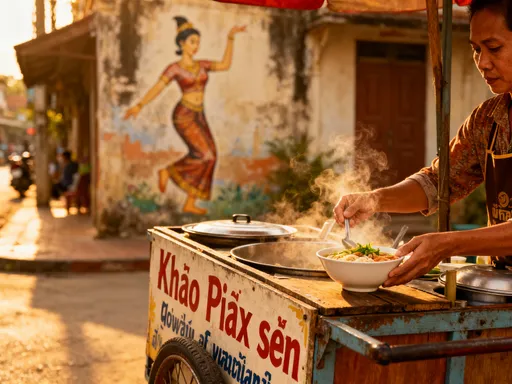
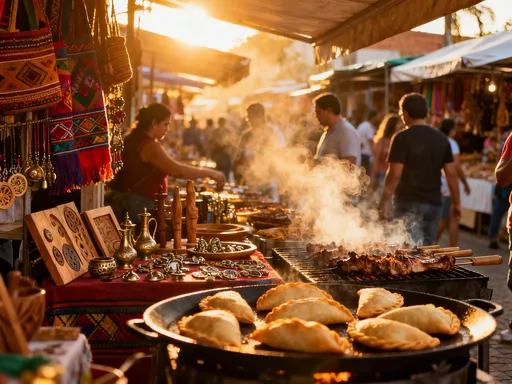
In Curitiba, markets are not just places to buy—they are destinations to live in, even if only for a few hours. The fusion of shopping and eating reaches its peak in open-air markets like Feira do Alto and Feirinha do Caju, where the air hums with sizzling grills, live music, and the chatter of families browsing side by side. At these vibrant gatherings, food isn’t an afterthought—it’s woven into the very fabric of the market experience. You’ll find pastel stands nestled between flower vendors, açaí carts adjacent to hat stalls, and empanada grills sharing space with soap artisans.
At Feira do Alto, located in the upscale Alto da XV neighborhood, the weekend buzz begins early. By 9 a.m., long lines form at popular food trucks offering *churrasco-style* skewers, crispy *coxinha* (chicken croquettes), and warm *pão de queijo* straight from the oven. The scent of garlic and grilled beef mingles with the sweetness of ripe mangoes and passion fruit, creating an aroma that pulls you deeper into the market. Shoppers pause frequently—not out of fatigue, but delight—sampling a spicy *molho de pimenta* here, a cold coconut water there.
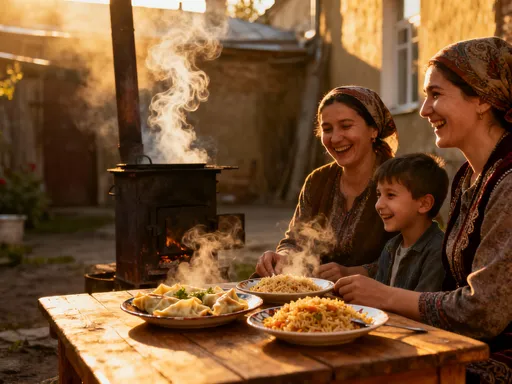
Feirinha do Caju, though smaller, pulses with community spirit. Held in the Caju neighborhood near the Iguaçu River, it draws locals who come not only to shop but to socialize. Children run between stalls while grandparents sip *chimarrão* from shared gourds. The food here leans toward home-style cooking: slow-cooked beans, savory rice dishes, and hearty *farofa* served in biodegradable containers. Vendors often invite passersby to taste before buying, especially when it comes to homemade jams, pickled vegetables, or regional cheeses. This generosity reflects a culture where food is meant to be shared, and every meal is an opportunity for connection.
Hidden Eateries Behind the Boutiques
One of Curitiba’s quiet delights is how seamlessly dining blends into shopping districts. In neighborhoods like Batel and Água Verde, you won’t find sterile mall food courts. Instead, tucked behind fashion boutiques and design studios, lie intimate eateries that feel like secrets waiting to be discovered. These are not chain restaurants, but family-run spaces where recipes have been guarded for decades. It’s entirely possible to spend an hour browsing handmade soaps, then stumble upon a tiny café serving *barreado*—a traditional slow-cooked beef stew that simmers for up to 12 hours in a clay pot sealed with flour paste.
Such moments define the Curitiba experience. In Água Verde, for instance, a narrow alley behind a vintage clothing store leads to a modest lunch counter where grandmothers serve *prato feito*—a daily special that might include grilled fish, collard greens, black-eyed peas, and orange slices. The setting is unpretentious: plastic chairs, checkered tablecloths, a radio playing classic samba tunes. But the food carries the weight of tradition, prepared with care and pride. Many of these spots don’t advertise; they rely on word-of-mouth and loyal neighborhood patrons.
These hidden kitchens often specialize in regional dishes rarely found outside Paraná state. *Quindim*, a glossy coconut custard dessert, appears on dessert menus alongside *arroz carreteiro*, a hearty rice dish cooked with dried beef and onions. Some cafes even serve *quentão*, a warm spiced drink made with cachaça, cinnamon, and cloves, typically associated with winter festivals. Finding these places feels like being let in on a local secret—an invitation to eat as the people of Curitiba do. For visitors, this integration of food and shopping creates a rhythm: browse, taste, rest, repeat—each pause enhancing the next discovery.
Gourmet Breaks: When Shopping Calls for an Upgrade
For those moments when a quick bite won’t suffice, Curitiba offers elevated culinary experiences that complement a day of shopping. The city’s cultural complexes often double as gourmet destinations, blending art, architecture, and fine dining. A prime example is the Jardim Botânico complex, home to the city’s iconic glass greenhouse inspired by London’s Crystal Palace. Inside and around this landmark, several restaurants provide refined yet relaxed settings where travelers can recharge in style.
One such spot, nestled beside the botanical gardens, serves seasonal menus highlighting local ingredients: organic greens from nearby farms, free-range eggs, and freshwater fish from regional reservoirs. Diners might choose a light quinoa salad with roasted vegetables or a delicate fish carpaccio drizzled with citrus oil. For dessert, a *brigadeiro tart*—a modern twist on Brazil’s beloved chocolate truffle—offers both nostalgia and sophistication. The ambiance enhances the meal: soft lighting, linen napkins, and views of lush greenery that blur the line between indoors and nature.
Coffee culture also thrives in these upscale zones. Specialty cafés within shopping districts serve single-origin brews, cold infusions, and artisanal pastries made with regional honey and tropical fruits. A midday break might include a *pão de mel* (spiced honey cake) with a pour-over coffee, enjoyed on a sunlit terrace overlooking a fountain or garden. These moments aren’t indulgences—they’re essential pauses that restore energy and elevate the experience. In Curitiba, even a coffee stop feels intentional, a chance to slow down and savor. This attention to detail reflects the city’s broader philosophy: that beauty and pleasure belong in everyday life, not just special occasions.
Local Flavors to Take Home: Edible Souvenirs Worth Buying
No visit to Curitiba is complete without bringing home a taste of the city. Unlike generic keychains or magnets, the most cherished souvenirs here are edible—tangible reminders of flavors experienced and meals shared. One standout is *pinhão*, the nut of the Paraná pine tree, native to southern Brazil. Available seasonally from April to July, these creamy, chestnut-like kernels are boiled and sold in paper cones at markets. Many locals enjoy them as a snack or use them in stews and risottos. Travelers can purchase vacuum-sealed packages to take home, preserving their unique flavor for months.
Another must-buy is artisanal cheese from family dairies in the surrounding highlands. These small producers use traditional methods to create soft, creamy cheeses with subtle herbal notes. Some are aged in caves, others infused with local herbs like *erva-doce* (fennel). Stores like Armazém Santa Tereza and Casa do Queijo offer tasting samples, allowing visitors to find their favorite before buying. Pair these with regional jams made from guava, jabuticaba, or peach, and you have a gourmet gift set that captures the essence of southern Brazil.
For those who love bold flavors, sauces made with guaraná—a native Amazonian fruit rich in natural caffeine—are a revelation. These thick, tangy condiments work beautifully on grilled meats or roasted vegetables. Found in gourmet sections of larger markets or specialty food shops, they come in recyclable glass jars with labels in Portuguese and English. Other edible treasures include *farinha de mandioca* (toasted cassava flour), used in countless Brazilian dishes, and *cachaça* aged in native woods like amburana, which imparts a sweet, spiced character. Buying these items isn’t just shopping—it’s preserving memories, one bite at a time.
How to Plan Your Own Food-Filled Shopping Adventure
Planning a successful shopping and dining journey in Curitiba begins with timing. Most open-air markets operate on weekends, with Saturday being the busiest and most vibrant day. Feira do Largo da Ordem runs from 8 a.m. to 3 p.m., making it ideal for a morning start. Arriving early ensures access to the freshest produce, the widest selection of crafts, and shorter lines at popular food stalls. It also allows you to beat the midday sun, especially during summer months when temperatures rise.
Neighborhood selection is equally important. Batel and Água Verde offer the best combination of boutique shopping and authentic eateries, while the Largo da Ordem area delivers history and culture alongside market finds. For a more local feel, visiting Feirinha do Caju on a Sunday morning provides a gentler pace and deeper community interaction. Using the city’s efficient bus network or ride-sharing apps makes moving between districts easy and affordable. The Rede Integrada de Transporte (RIT) system connects major hubs, and many stops are within walking distance of market entrances.
Pacing is key. Rather than trying to see everything in one day, consider spreading your exploration over two or three days. Begin with a light breakfast—perhaps a fresh fruit smoothie and a cheese-filled *pão de queijo*—then shop for an hour before pausing for a proper meal. Stay hydrated, especially when sampling rich foods, and don’t hesitate to rest in one of the city’s many parks. Parque Tanguá, with its hanging garden and scenic viewpoints, offers a peaceful retreat. Most importantly, allow room for spontaneity. Some of the best meals and discoveries happen when you follow a scent, a sound, or a friendly recommendation. Let curiosity guide you, and you’ll find that Curitiba reveals its treasures to those who wander with openness and appetite.
Curitiba turns everyday activities into rich, sensory journeys. It reminds us that the true luxury of travel isn’t measured in price tags or Michelin stars, but in how we feel while discovering a place. Here, shopping feeds the soul as much as the stomach. Every market stall, every hidden café, every shared recipe carries the warmth of human connection. To walk through Curitiba is to engage all the senses—to see color, hear laughter, touch craftsmanship, and above all, taste the heart of a city that celebrates life in every detail. For travelers seeking meaning in their moments, this Brazilian gem offers a simple truth: the best experiences aren’t bought. They’re lived, one flavorful step at a time.