You Won’t Believe What I Ate in Goa — This Food Scene Is Next Level
Goa isn’t just beaches and parties — its food culture is an adventure in itself. From spicy vindaloo to sweet bebinca, every bite tells a story of Portuguese roots and Konkani soul. I wandered through markets, beach shacks, and hidden family-run spots, tasting flavors I never expected. This is more than a meal — it’s a journey through history, spice, and pure joy. The air carries the scent of roasted chilies, coconut oil, and wood smoke, guiding you from one unforgettable plate to the next. In Goa, food isn’t just sustenance — it’s celebration, memory, and identity all served on a banana leaf.
The Flavor Crossroads: Where East Meets West on a Plate
Goan cuisine stands at a rare culinary intersection — where Indian spices meet Portuguese techniques, creating a flavor profile unlike any other in India. For over 450 years, Portuguese rule left an indelible mark on the region’s kitchens, introducing ingredients like vinegar, pork, and baking methods that merged seamlessly with local Konkani traditions. This fusion was not forced or superficial; it evolved organically as families adapted recipes to available resources and religious customs. Today, that blend is not a relic of the past but a living, breathing part of daily life, evident in everything from weekend feasts to weekday lunches.
At the heart of Goan cooking lies a balance of heat, sourness, and richness. Kokum, a dark purple fruit native to the Western Ghats, replaces tamarind in many dishes, lending a deep, fruity tang that cuts through rich gravies. Vinegar — often palm or coconut — acts as both preservative and flavor enhancer, essential in dishes like vindaloo and sorpotel, where slow marination tenderizes meat and deepens complexity. Coconut, in all its forms — milk, oil, grated flesh — forms the base of countless curries, adding creaminess and subtle sweetness. These ingredients don’t just define taste; they reflect the land itself — coastal, humid, abundant.
What makes this fusion so remarkable is its authenticity. Unlike modern “fusion” restaurants that experiment for novelty, Goan food evolved out of necessity and intimacy. Catholic families incorporated pork and wine into their diets, while Hindu households used coconut and lentils to create equally rich but meat-free versions of shared dishes. The result is a cuisine that feels both familiar and surprising — a home-cooked meal that carries centuries of history in a single spoonful. Whether it’s the use of cinnamon and cloves in a fish curry or the baking of layered desserts in clay ovens, the Portuguese influence is present but never overpowering.
Even today, home cooks guard their spice pastes — or “masalas” — with care, grinding them fresh using granite mortars and pestles. These blends often include coriander, cumin, turmeric, red chilies, and peppercorns, toasted and ground to order. The ritual of preparation is as important as the dish itself, passed down through generations with slight variations from village to village. In Goa, food is not mass-produced; it is deeply personal, shaped by family, faith, and season. To taste it is to understand that true culinary fusion happens not in trend-driven kitchens, but in homes where tradition and adaptation coexist in harmony.
Breaking Down Goan Staples: What You’re Actually Eating
To truly appreciate Goan food, one must understand its cornerstone dishes — those that appear at festivals, family gatherings, and even humble weekday meals. These are not mere recipes; they are cultural touchstones, each with its own story and significance. Among the most iconic is xacuti, a rich, complex curry made with a paste of roasted coconut, dried red chilies, poppy seeds, and a blend of warm spices. Traditionally prepared with chicken or lamb, xacuti is slow-cooked to allow the masala to penetrate every fiber of meat, resulting in a dish that is both fragrant and deeply satisfying. It’s often served during Christmas and Easter, linking it to moments of togetherness and celebration.
Another essential is cafreal, a vibrant green dish that gets its color from a paste of coriander leaves, garlic, ginger, and green chilies. Unlike the heavier, coconut-based curries, cafreal is lighter and more aromatic, typically made with chicken or fish. The marinade is rubbed generously onto the protein and then cooked in a covered pan, allowing the flavors to steam and intensify. This method, believed to have originated with Portuguese soldiers, showcases how colonial influences were reinterpreted using local ingredients. Cafreal is often enjoyed with pao — soft, crusty bread introduced by the Portuguese — making it a perfect example of cultural blending on a plate.
Sorpotel is perhaps the most emblematic of Goan Catholic cuisine. Made from pork offal — liver, heart, and tongue — it is first boiled, then diced and simmered in a tangy, spicy vinegar-based gravy. The dish requires patience: it’s often made a day or two in advance to allow the flavors to mature. Each family has its own version, some spicier, some more sour, but all share a bold, intense character. Sorpotel is almost always served with sannas — steamed rice cakes that are slightly fermented and soft, providing a perfect contrast to the sharpness of the curry. It’s a dish of resourcefulness, born from the need to use every part of the animal, and it remains a centerpiece at weddings and feast days.
Equally important is recheado, a spicy paste used to stuff fish, particularly mackerel. The masala includes red chilies, vinegar, garlic, and spices, blended into a fiery red paste that infuses the fish as it’s shallow-fried. The result is crispy on the outside, tender within, with a kick that lingers. Recheado reflects the coastal diet’s reliance on seafood and the ingenuity of preserving flavor without refrigeration. These staples are not just meals; they are acts of cultural preservation, each bite connecting the present to the past. To eat them is to participate in a living tradition, one that values patience, flavor, and community above all.
Beyond Curry: The Street Food Gems You Can’t Miss
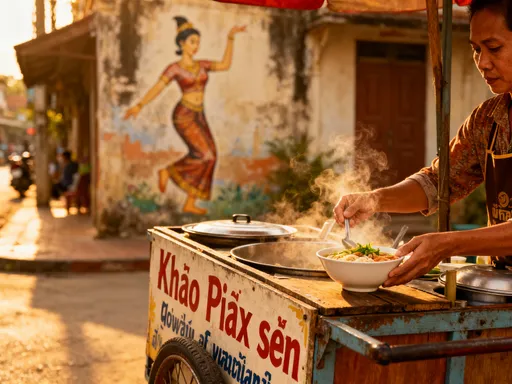
While curries dominate the image of Goan cuisine, the real magic often happens on the streets — in bustling markets, seaside stalls, and roadside counters where locals gather for quick, flavorful bites. These are not afterthoughts; they are essential expressions of Goan food culture, accessible, affordable, and full of character. One of the most beloved street foods is pao bhaji, a dish that, while popular across India, takes on a distinct Goan twist. Here, the vegetable mash is cooked with butter, onions, and a hint of vinegar, then served with soft pao buns that are grilled with more butter until golden. It’s comfort food at its finest, often enjoyed in the late afternoon or after a night out.
Another must-try is the Goan sausage, or chouriço, a smoky, spicy pork sausage flavored with garlic, vinegar, and red chilies. Unlike its Spanish or Portuguese cousins, Goan chouriço is distinctly fiery and tangy, reflecting local taste preferences. It’s often sliced and fried, then served as a snack with bread or tucked into a pao for a hearty sandwich. Some vendors serve it with a simple onion salad, the sharpness cutting through the richness. You’ll find it especially in Catholic neighborhoods and during festivals, where it’s grilled over open flames, filling the air with an irresistible aroma.
For something sweet, banana fritters — known locally as alle belle — are a favorite. Made from ripe bananas mashed and mixed with jaggery, coconut, and cardamom, then deep-fried until crisp, they are sold at temple fairs, markets, and beachside stalls. They’re especially popular during Diwali and Ganesh Chaturthi, but available year-round in tourist areas. Equally delightful are fish rolls, a Goan innovation that combines flaked fish curry with spices, rolled in a thin crepe-like bread and shallow-fried. Portable and flavorful, they’re perfect for a beach picnic or a midday snack.
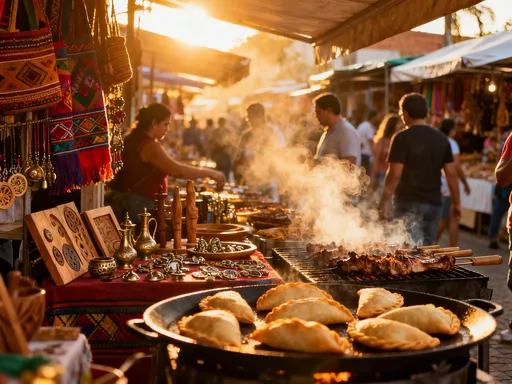
The best places to find these treats are the Mapusa Market on Fridays, where vendors spill onto the sidewalks with baskets of sausages, chutneys, and fried snacks, and the Arpora Saturday Night Market, a lively mix of food stalls, crafts, and music. Here, you’ll see families sharing platters of fritters, couples sipping on fresh coconut water, and travelers discovering new favorites. These markets are not just food destinations; they are social hubs, where eating is communal, spontaneous, and joyful. The street food scene in Goa proves that great flavor doesn’t require a fancy restaurant — sometimes, the best meals come wrapped in paper, eaten on a plastic stool with the sea breeze in your hair.
Seafood Like No Other: How the Coast Defines the Menu
In Goa, the ocean isn’t just a scenic backdrop — it’s the foundation of the kitchen. Freshly caught fish, prawns, crabs, and shellfish appear on tables within hours of being pulled from the water, ensuring a level of freshness that transforms even simple preparations into something extraordinary. The fishing communities along the coast — from Betim to Caranzalem — follow rhythms set by tides and seasons, and their cooking reflects a deep respect for the sea’s bounty. There’s no need for heavy sauces or elaborate techniques; the fish speaks for itself, enhanced by just a few bold ingredients.
Kingfish, or vison, is one of the most prized catches, often grilled whole and served with a side of lime and onion. The fish is marinated with a paste of red chilies, turmeric, and salt, then cooked over a wood fire fueled by coconut husks, which imparts a subtle smokiness. Pomfret, with its delicate, flaky flesh, is another favorite, usually steamed or shallow-fried and served with a coconut-based curry. Prawns, known locally as xeel, are used in a variety of dishes, from spicy curries to buttery garlic preparations, often found sizzling on a hot plate at beach shacks.
One of the most distinctive methods is balchão, a spicy, tangy pickle-style preparation where prawns or fish are cooked in a sauce of vinegar, red chilies, and spices until thick and concentrated. It’s eaten in small portions, often with rice or pao, and can be stored for weeks, a testament to traditional preservation methods. Another coastal specialty is ambot tik, a sour and spicy fish curry made with kokum and green chilies, offering a refreshing contrast to richer dishes. The simplicity of these preparations highlights a key principle in Goan cooking: let the ingredient shine.
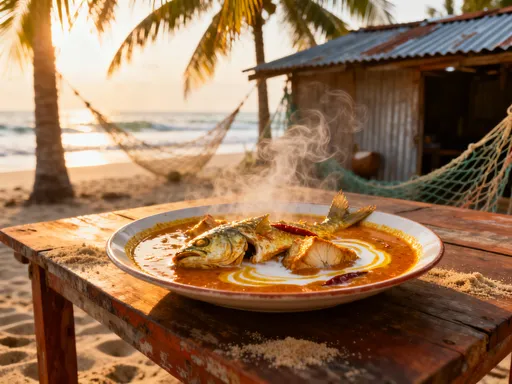
At beach shacks — those informal, open-air restaurants perched along the sand — seafood is the star. Menus change daily based on the catch, and cooks often bring the fish to your table before preparation so you can choose what looks freshest. Grilled lobster with garlic butter, crab curry with coconut milk, and fish recheado are staples, served with steamed rice or sannas. These shacks are not just eateries; they are part of the coastal experience, where meals stretch into hours, accompanied by feni cocktails and the sound of waves. Eating seafood in Goa is not just about taste — it’s about connection, to the sea, to the people who fish, and to a way of life that values freshness, seasonality, and simplicity.
Sweet Endings: The Forgotten Desserts That Steal the Show
If Goan savory dishes tell a story of fusion and resilience, its desserts speak of celebration, faith, and craftsmanship. These are not everyday treats; many are reserved for festivals, weddings, and religious occasions, requiring hours of labor and generations of knowledge. Among the most famous is bebinca, a layered pudding made with coconut milk, sugar, egg yolks, and ghee. Traditionally baked in a wood-fired oven, it can have anywhere from seven to sixteen layers, each one carefully poured and cooked before the next is added. The result is a rich, custard-like dessert with a slight caramelized top, often served during Christmas and Easter. Making bebinca is considered an art, and many families guard their recipes closely.
Another beloved sweet is dodol, a dense, fudge-like confection made from jaggery, coconut milk, and rice flour, cooked slowly for hours until it thickens and darkens. It has a chewy texture and a deep, molasses-like flavor, often flavored with cardamom or nutmeg. Dodol is especially popular during Diwali and is commonly offered as a gift, wrapped in banana leaves. Its long cooking time — sometimes up to eight hours — reflects the patience and care embedded in Goan food culture. Similarly, neuri are deep-fried rice flour balls colored with natural dyes — green from pandan, red from beetroot — and rolled in coconut. Made during Ganesh Chaturthi, they symbolize devotion and are often offered to the deity before being shared among family.
These desserts are rarely found in commercial bakeries; instead, they are made in home kitchens, church halls, and village courtyards, often in large batches for community events. Some Catholic families still use traditional clay ovens, called tondó, to bake their holiday sweets, preserving methods that have changed little over centuries. The labor involved is not seen as a burden but as an act of love and tradition. To taste these desserts is to experience a side of Goa that is often overlooked by tourists — one of quiet dedication, faith, and generational continuity. They may not be as loud as a spicy vindaloo, but they are just as essential to understanding the soul of Goan cuisine.
Where to Eat: From Hole-in-the-Wall Shacks to Hidden Family Joints
For travelers seeking authentic Goan food, the key is knowing where to look — and where not to. Tourist-heavy areas like Calangute and Baga are filled with restaurants that cater to foreign palates, often serving watered-down versions of classic dishes. To eat like a local, you must venture beyond the main strips, into markets, side streets, and coastal villages where families gather for meals. The most reliable indicator of authenticity? A menu written in Konkani or Marathi, a counter crowded with locals, and the absence of laminated English menus with photos.
Beach shacks, when chosen wisely, can be excellent options. Look for those that are locally owned, not part of large chains, and busy with Goan families rather than just tourists. Many serve fresh seafood, homemade curries, and traditional sides like sannas and pickles. Markets are another goldmine — the Mapusa Market offers everything from spice blends to ready-to-eat snacks, while the Margao Market is known for its fresh produce and meat counters. Small eateries tucked beside these markets often serve the day’s best dishes at low prices.
For a truly immersive experience, consider a home dining arrangement, increasingly offered through local tour operators or homestays. These meals are prepared by Goan homemakers, often featuring multiple courses and family recipes passed down for decades. It’s not just a meal; it’s a conversation, a chance to ask questions, learn techniques, and understand the stories behind the food. Some villages even host community feasts during festivals, open to respectful visitors. These settings offer the most genuine taste of Goa — not staged for cameras, but lived in real time.
When choosing where to eat, trust your senses. The smell of roasting spices, the sound of sizzling garlic, the sight of fresh ingredients being chopped — these are better guides than any review. Avoid places that keep food sitting under heat lamps; authentic Goan meals are cooked to order, taking time but delivering depth. And always, always ask what’s fresh that day — the best dishes are the ones made with what the sea or market provided that morning.
Eating Like a Local: Dos and Don’ts for Food-Focused Travelers
To fully embrace Goan food culture, it helps to follow a few simple guidelines that show respect and openness. First, be clear about your spice tolerance. While Goans love heat, most cooks are happy to adjust if you ask politely. A simple “Can this be less spicy?” goes a long way. Don’t be afraid to try small portions of unfamiliar dishes — many vendors offer samples, and even a bite can open a conversation. Cash is still king at markets and small eateries, so carry small bills and coins to make transactions smooth.
Timing matters. Markets are liveliest in the morning, when the freshest produce and seafood arrive. Beach shacks often serve lunch from 12:30 to 3:00 PM and dinner from 7:00 to 10:00 PM, with many closing on off-season weekdays. Avoid arriving at peak times if you want to chat with the cook — mid-afternoon is often quieter and more conversational. When eating at a stall or counter, it’s polite to finish what’s on your plate; wasting food is frowned upon, especially when it’s made with care.
Engage with vendors respectfully. A smile, a thank you in Konkani (“Dhanyavad”), or a genuine question about ingredients can turn a transaction into a connection. Avoid taking photos without permission, especially of people or home kitchens. And remember, patience is part of the experience — meals may take time, service may be slow, but the result is worth it. This is not fast food; it’s slow, intentional cooking, rooted in tradition.
Finally, come with curiosity, not expectation. Goa’s food scene is not about perfection or presentation; it’s about flavor, warmth, and hospitality. Let go of rigid plans, follow your nose, and allow yourself to be surprised. The best meal might come from a plastic stool by the sea, served by someone who calls you “son” or “dear” even though they’ve just met you. That’s the real taste of Goa — not just on the tongue, but in the heart.
Goa’s food culture is a living tapestry — vibrant, layered, and deeply personal. It’s not just about what’s on the plate, but who made it, how it’s shared, and the stories it carries. By stepping off the beaten path and following your taste buds, you don’t just eat in Goa — you belong.