You Won’t Believe How Saint Petersburg’s Canals and Cuisine Come Together
Picture this: golden sunsets over quiet canals, the scent of freshly baked pirozhki in the air, and a city that feels like a living painting. I never expected Saint Petersburg’s natural beauty to pair so perfectly with its food culture. From waterside markets to garden-side cafés, every meal felt like part of the landscape. This isn’t just a travel story — it’s a sensory journey where flavor meets scenery in the most unexpected ways.
Arrival in a City of Water and Light
Saint Petersburg rises from the banks of the Neva River like a carefully composed symphony of water and stone. Upon arrival, the first thing that strikes visitors is not the grandeur of the Winter Palace or the golden spire of the Peter and Paul Cathedral, but the ever-present shimmer of canals reflecting the sky. With over 300 bridges spanning 60 rivers and waterways, the city is often called the 'Venice of the North' — though it possesses a character all its own. The Neva, wide and powerful, flows through the heart of the city, flanked by granite embankments and baroque facades that seem to float on the water’s surface at dawn. This aquatic landscape is not merely decorative; it shapes the rhythm of daily life, from boat traffic in summer to the frozen stillness of winter.
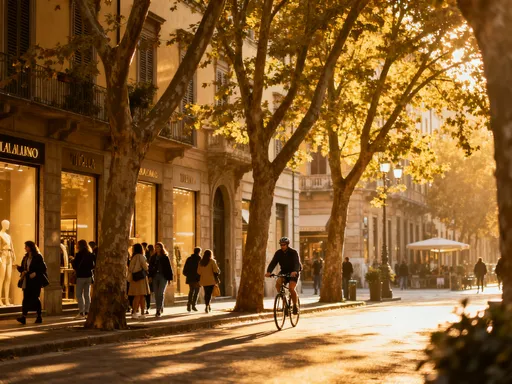
What makes Saint Petersburg unique is how seamlessly its built environment merges with nature. Unlike cities where rivers are boundaries or afterthoughts, here the water is central — a living thread that connects neighborhoods, parks, and palaces. The canals, especially in the historic center, are lined with willow trees that dip into the current, their leaves whispering in the breeze. This intimate relationship between water and urban life creates a serene atmosphere, one that invites leisurely strolls and contemplative pauses. It’s no surprise, then, that food in Saint Petersburg is not an isolated experience but an extension of the city’s natural and architectural beauty.
The city’s waterways set the mood for a culinary journey that is both refined and deeply rooted in tradition. Meals are often enjoyed with a view — whether from a window overlooking the Moyka River or a bench beside the Kryukov Canal. The reflective quality of the water seems to amplify the colors of the city, especially during the famed White Nights, when twilight lingers for hours. In this light, even a simple sandwich tastes more vivid, more meaningful. The interplay of light, water, and flavor suggests that dining in Saint Petersburg is not just about sustenance, but about harmony — between place, season, and palate.
The Rhythm of Seasons and Their Flavors
Saint Petersburg’s climate plays a defining role in both its scenery and its cuisine. The city experiences dramatic seasonal shifts, each bringing its own palette of colors and flavors. In summer, the White Nights extend daylight into the early morning, casting a soft golden glow over the canals and encouraging outdoor living. Gardens bloom, markets overflow with fresh produce, and the scent of dill — a staple herb in Russian cooking — fills the air. This is the season of freshness: cucumbers from nearby farms, wild strawberries gathered from forest edges, and river fish caught just hours before appearing on dinner plates. Meals are lighter, often served cold or at room temperature, such as Olivier salad or pickled herring with boiled potatoes.
Winter, in contrast, transforms the city into a quiet, snow-draped landscape. The canals freeze, and the Neva becomes a solid ribbon of ice, used historically as a transport route. With limited fresh produce available, the cuisine turns heartier and more comforting. Root vegetables — carrots, beets, potatoes — are stored and used in slow-cooked dishes. Borscht, the iconic beet soup, simmers for hours in home kitchens, its deep red color a contrast to the monochrome winter scenery. Sauerkraut, preserved fish, and dark rye bread become dietary staples, providing warmth and sustenance during the long, dark months. Even the tea culture shifts: in winter, it’s common to drink strong black tea with jam or honey, served in glass holders to retain heat.
These seasonal rhythms are not just culinary trends but reflections of a deep connection to the land and climate. The food of Saint Petersburg is not imported or industrialized; it is shaped by what the region can offer at different times of year. This seasonality encourages mindfulness and appreciation — a reminder that eating is not just a daily habit but a way of tuning into the natural world. Travelers who visit in summer may enjoy open-air dining along the embankments, while winter visitors are invited into warm, candlelit homes where generations gather around steaming bowls of soup. In both cases, the food tells a story of resilience, resourcefulness, and respect for nature’s cycles.
Breakfast with a View: Morning Bites Along the Embankments
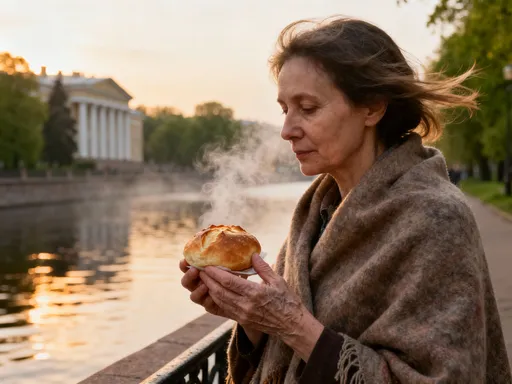
There is something deeply soothing about beginning the day with a walk along the Fontanka River, especially in the early morning when the city is still waking up. Mist rises from the water, softening the outlines of the pastel-colored buildings that line the canal. The only sounds are the gentle lap of waves against the stone banks and the distant chime of church bells. It is in moments like these that Saint Petersburg feels most intimate, most alive. And few experiences capture this quiet magic better than enjoying a simple breakfast at a small bakery near the Summer Garden.
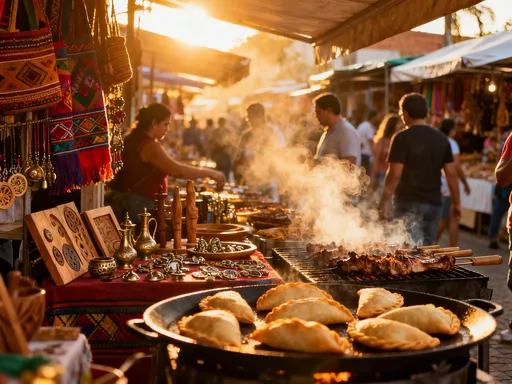
One such bakery, tucked between a 19th-century mansion and a quiet footbridge, has been serving pirozhki for generations. These small, handheld pastries come filled with minced meat, cabbage, or mashed potatoes, baked until the crust is golden and flaky. Sitting on a bench by the water with a warm pirozhok in hand, watching the first boats of the day glide past, turns an ordinary meal into a moment of connection. The crisp morning air enhances the aroma of butter and yeast, while the stillness of the canal seems to slow time itself. It’s not just the taste that makes the experience memorable, but the setting — the way the light dances on the water, the way the city unfolds gently around you.
This is the essence of Saint Petersburg’s culinary charm: food that doesn’t demand attention, but complements the surroundings. There are no extravagant presentations or elaborate menus — just honest, comforting food enjoyed in a place of beauty. The pirozhok, humble as it may be, becomes a symbol of the city’s spirit: unpretentious, resilient, and deeply rooted in tradition. For travelers, this kind of breakfast offers more than nourishment; it offers a way to slow down, to breathe, and to truly arrive in the moment. It reminds us that the best meals are not always the most complex, but the ones shared with awareness and gratitude.
Lunch in the Parks: Where Nature Feeds the Soul (and the Stomach)
If breakfast along the canals is a quiet ritual, lunch in the parks is a celebration of green space and local flavor. Saint Petersburg is home to several historic gardens, including the Summer Garden and the Mikhailovsky Garden, both designed in the 18th century as oases of order and beauty. Today, they serve as beloved retreats for locals and visitors alike, offering winding paths, fountains, and shaded benches where one can escape the bustle of the city. And increasingly, these parks have become destinations for casual, open-air dining.
Near the gates of the Summer Garden, small kiosks offer traditional Russian fare that feels perfectly suited to the surroundings. Blini — thin, crepe-like pancakes — are served with sour cream, caviar, or smoked salmon, often wrapped in parchment paper for easy eating while strolling. Pickled herring, another staple, is available in small portions, paired with onions and potatoes. Herbal teas, brewed from wild mint or chamomile, are sold in recyclable cups, their floral notes blending with the scent of blooming linden trees. These meals are not meant to be rushed; they are designed to be savored slowly, under the shade of ancient trees, with the sound of fountains in the background.
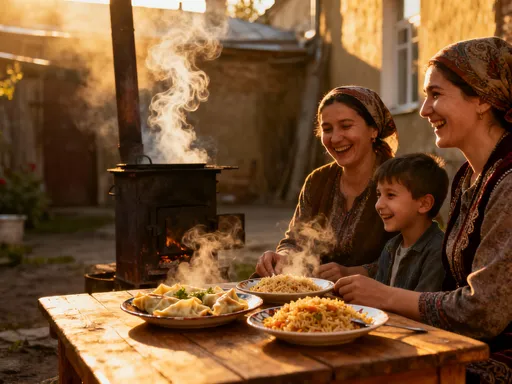
What makes park-side dining so special is the way it connects food with nature and community. Unlike formal restaurants, these kiosks foster a sense of accessibility and informality. Families gather on blankets, couples share a plate of blini, and solo travelers find quiet corners to read and eat. The food, though simple, carries the weight of tradition — many of these recipes have been passed down for generations. Eating in the park becomes more than a midday break; it becomes a way of participating in the city’s daily life. It also highlights a core value in Russian culture: the importance of sharing meals in meaningful settings, whether at home or in nature.
The Mikhailovsky Garden, once the private retreat of the imperial family, now welcomes all. Its central café, housed in a restored neoclassical building, offers a slightly more refined experience, with linen tablecloths and proper cutlery. Yet the menu remains grounded in local ingredients — beet salads with goat cheese, barley soups with dill, and honey cakes made with regional wildflower honey. Even here, the emphasis is on harmony: between architecture and landscape, between tradition and modernity, between hunger and peace. For the traveler, a lunch in these gardens is not just a meal, but a moment of balance — a reminder that nourishment comes not only from food, but from beauty, stillness, and connection.
The Secret of the Canal Markets
While the grand palaces and museums of Saint Petersburg attract the most attention, some of the city’s most authentic experiences happen quietly, along the banks of the Griboyedov Canal. Here, on certain mornings, small produce stalls appear like hidden treasures, offering seasonal goods that reflect the richness of the surrounding region. These are not tourist markets with mass-produced souvenirs, but local gatherings where farmers and foragers sell what they’ve harvested: wild mushrooms, cloudberries, lingonberries, fresh dairy, and homemade preserves.
The Griboyedov Canal, lined with charming 19th-century buildings and arched bridges, provides a picturesque backdrop for these modest markets. Vendors sit behind wooden crates, their faces weathered by seasons of outdoor work, offering samples with quiet pride. A basket of chanterelles, still dusted with forest soil, might be sold beside jars of honey infused with pine needles. A woman in a woolen shawl offers goat cheese wrapped in cloth, explaining that her family raises the animals just outside the city. These ingredients are not imported or processed; they are the direct result of the region’s forests, meadows, and small farms.
What makes these markets special is their role in sustaining traditional home cooking. Many of the items sold here are difficult to find in supermarkets — not because they are exotic, but because they are too fresh, too seasonal, or too small-scale for commercial distribution. Yet they form the foundation of authentic Russian cuisine. A pot of borscht made with homegrown beets and dill tastes different from one made with store-bought ingredients; a pie filled with wild berries has a depth of flavor that cannot be replicated. These markets are not just places to shop, but places to learn — about the land, the seasons, and the care that goes into growing and preparing food.
For the traveler, visiting a canal market is an act of discovery. It requires slowing down, asking questions, and being open to simple pleasures. There are no price lists in English, no digital payments — just cash, conversation, and trust. In this space, food becomes a bridge between cultures, a way to connect with locals on a human level. It also reinforces the idea that the best meals begin with the best ingredients — ingredients that are fresh, local, and full of story. In Saint Petersburg, the canal markets are a reminder that beauty and flavor often lie not in the spotlight, but in the quiet corners of everyday life.
Dinner on the Neva: A Floating Experience
As the sun begins to set over Saint Petersburg, the city takes on a different character. The golden hour stretches longer during the White Nights, painting the sky in soft pinks and lavenders. This is the perfect time to board a river cruise and experience dinner on the Neva — a moving feast that combines panoramic views with traditional flavors. These evening cruises are not just tourist attractions; they are carefully curated experiences that showcase the harmony between the city’s waterways and its culinary heritage.
The menu on board is intentionally simple, focusing on regional specialties that can be enjoyed without distraction. Smoked fish — often river trout or vendace — is served with rye bread and butter, accompanied by a crisp beet and apple salad. Pickles, dark honey, and herbal teas round out the meal, all presented on wooden boards that echo the ship’s natural materials. There are no white tablecloths or formal service; instead, guests are encouraged to move freely, to stand at the railing with a plate in hand, to photograph the passing palaces and bridges. The food is not the only attraction — it is part of a larger sensory experience.
What makes this dinner unique is the ever-changing view. As the boat glides past the Church of the Savior on Spilled Blood, the Hermitage, and the Peter and Paul Fortress, the city unfolds like a storybook. The reflection of golden domes in the water, the sound of the river against the hull, the cool evening air — all of it enhances the taste of the meal. A bite of smoked fish tastes saltier, more complex, when eaten as the sun dips below the horizon. A sip of tea feels more soothing when shared with strangers who have also come to witness the beauty of the Neva.
These river dinners are more than just meals; they are celebrations of movement and connection. They remind us that food can be mobile, that dining doesn’t have to be static. They also reflect a deeper truth about Saint Petersburg: that its identity is shaped by water. The Neva is not just a river; it is a lifeline, a mirror, a stage. To eat on its waters is to participate in the city’s rhythm, to become part of its flow. For travelers, this experience offers a rare combination of relaxation and revelation — a chance to see the city from a new angle, and to taste it in a way that feels both intimate and grand.
Why This Blend of Food and Nature Matters
Saint Petersburg is often celebrated for its imperial architecture, its world-class museums, and its cultural legacy. Yet beneath these grand narratives lies a quieter, more personal truth: this is a city where food and nature are not separate realms, but intertwined threads in the fabric of daily life. From the canals that shape its layout to the seasons that dictate its menus, Saint Petersburg invites travelers to experience place through taste, and taste through place. This connection is not accidental; it is cultivated, cherished, and passed down through generations.
What makes this blend so powerful is its authenticity. Unlike cities where local cuisine has been diluted by tourism or globalization, Saint Petersburg retains a strong culinary identity rooted in its environment. The ingredients are local, the methods are traditional, and the settings are natural. A meal by the water is not a staged performance, but a genuine expression of how people live. This authenticity creates a sense of trust — between host and guest, between land and table, between past and present.
For the modern traveler, especially one seeking meaningful experiences, this harmony offers something rare: a chance to slow down, to reconnect with the rhythms of nature, and to eat with intention. In a world where meals are often rushed and disconnected, Saint Petersburg reminds us that food can be a form of mindfulness. It can be a way to honor the seasons, to appreciate craftsmanship, and to build community. Whether enjoyed on a park bench, a canal bank, or a riverboat, every meal in this city carries the imprint of its surroundings.
This is not just about tourism; it is about a philosophy of living. Saint Petersburg teaches us that beauty and nourishment are not separate pursuits. The same care that goes into designing a garden also goes into preparing a soup. The same attention to light and reflection that defines its architecture also defines its dining culture. To visit this city is to be invited into a way of life where every sense is engaged, where every moment can be savored.
The true magic of Saint Petersburg lies in its ability to make the ordinary feel extraordinary. A simple pastry becomes a memory. A bowl of soup becomes a story. A walk by the water becomes a meditation. This is the power of a city where canals and cuisine come together — not by chance, but by design. It is a place that asks us to look closely, to listen, to taste deeply. And in doing so, it offers not just a journey, but a transformation.