You Won’t Believe These Hidden Hiking Zones in Invercargill
Invercargill might seem quiet at first glance, but trust me — the real magic happens just beyond the city limits. I hit the trails last spring and discovered something wild: untouched forests, coastal ridges that take your breath away, and quiet paths where you won’t see another soul. This isn’t just hiking — it’s like stepping into a secret chapter of New Zealand’s natural story. If you’re after raw beauty without the crowds, you gotta check this out. What makes Invercargill special isn’t what’s in the guidebooks — it’s what’s quietly waiting, just off the beaten track, for those willing to look a little closer. Here, adventure isn’t loud or crowded; it’s hushed, green, and deeply personal.
Why Invercargill Is a Hiking Diamond in the Rough
Invercargill often plays second fiddle in travelers’ itineraries, seen more as a pit stop than a destination. Yet this modest city, New Zealand’s southernmost urban center, holds quiet power as a gateway to some of the country’s most pristine natural landscapes. Nestled between the dramatic wilderness of Fiordland National Park and the remote charm of Stewart Island, Invercargill offers unmatched access to environments shaped by wind, water, and time. Its location along the Southern Scenic Route further cements its status as a launchpad for discovery — though few realize just how much lies within easy reach.
What sets Invercargill apart is not grand spectacle, but depth of experience. The region’s relatively low population means trails remain uncrowded, ecosystems stay intact, and the rhythm of nature proceeds undisturbed. While tourists flock to Milford Sound or Queenstown, those who linger in and around Invercargill find solitude in abundance. This is not a place for trophy photos or social media bragging rights — it’s for those who value stillness, authenticity, and the kind of connection with nature that only comes when you’re truly off the grid.
From coastal bluffs carved by the Southern Ocean to ancient podocarp forests that have stood for centuries, the terrain around Invercargill is surprisingly diverse. You can walk through tussock grasslands one day and wander beneath towering rimu and miro trees the next. The city itself sits on the edge of vast conservation areas, many managed by the Department of Conservation (DOC), ensuring protection while allowing respectful public access. These lands are not just scenic — they’re ecologically significant, supporting native bird species, rare plants, and fragile wetland systems.
For the mindful hiker, Invercargill offers something increasingly rare: authenticity. There are no helicopter drops, no luxury lodges, no timed entry passes. Instead, you’ll find simple trailheads, unmarked footpaths, and the occasional handwritten sign. This lack of polish is part of the appeal. It invites you to slow down, pay attention, and appreciate the subtle beauty of a place that hasn’t been shaped for mass tourism. In a world where every corner seems discovered, Invercargill reminds us that quiet wonder still exists — if you know where to look.
Top Theme-Based Hiking Zones: Forest Immersion Trails
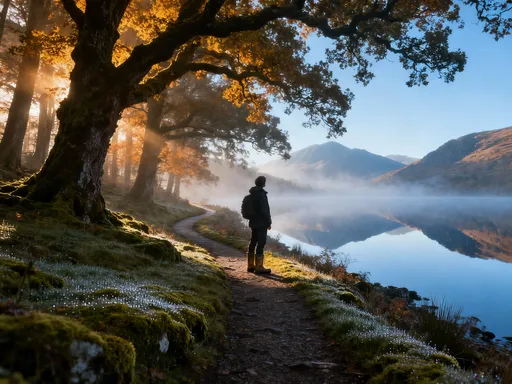
For those seeking deep forest immersion, the Balfour Forest and McNab Bush Scenic Reserve stand out as true sanctuaries. These protected areas offer a chance to walk beneath a dense canopy of native podocarp trees — including rimu, miro, and totara — many of which have thrived for over 800 years. The air here feels different: cooler, richer, alive with the scent of damp earth and decaying leaves. Sunlight filters through in soft patches, dappling the forest floor where ferns unfurl and moss clings to every surface. This is not just a walk in the woods — it’s a full sensory retreat, akin to the Japanese practice of shinrin-yoku, or forest bathing.
Birdsong fills the silence in gentle waves. Listen closely, and you’ll hear the melodic call of the tūī, a glossy black bird with a distinctive white throat tuft, flitting between branches. The kererū, or New Zealand wood pigeon, can often be seen gliding heavily from tree to tree, its emerald and purple iridescence catching the light. These species, once common across the country, are now increasingly rare due to habitat loss — making their presence here a sign of ecological health. The forest’s quiet buzz of insect life and rustling undergrowth completes the picture of a thriving, self-sustaining ecosystem.
The Balfour Forest features a network of well-maintained trails, including a 3.5-kilometer loop that takes most hikers about 1.5 hours at a relaxed pace. The path is mostly flat with occasional gentle inclines, making it suitable for families and beginners. Boardwalks protect the delicate root systems and prevent erosion, especially in wetter sections. McNab Bush, just a short drive north, offers a slightly shorter but equally immersive experience — a 2-kilometer loop that winds through regenerating native bush and crosses a small wooden bridge over a clear stream. Both areas are best visited in spring and early summer when bird activity peaks and the forest feels most alive.
What makes these forest hikes so restorative is their meditative quality. With no cell service and minimal human noise, your mind naturally slows. The rhythm of your footsteps, the rustle of leaves, the distant call of a bellbird — these become the only sounds that matter. There’s no need to rush, no summit to conquer. Just the simple act of walking, breathing, and being present. For families, these trails offer a rare opportunity to disconnect from screens and reconnect with each other in a setting that feels timeless. For solo hikers, they provide space for reflection, clarity, and emotional reset.
Coastal Escape Routes: Where Land Meets the Southern Ocean
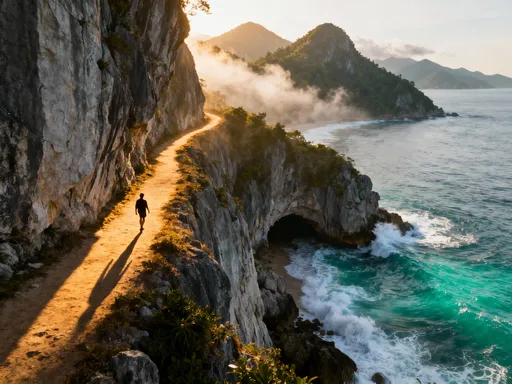
If forests ground you, the coastal trails near Invercargill lift your spirit. The Bluff Hill Walkway and Sandy Point Track are two standout routes that bring you face to face with the raw power of the Southern Ocean. Bluff Hill, rising 265 meters above sea level, offers one of the most panoramic views in the region. The climb is moderate — about 45 minutes one way — but every step rewards you with widening vistas. At the summit, you’ll see Stewart Island to the south, Foveaux Strait stretching eastward, and the sweeping curve of Southland’s coastline disappearing into the horizon. On clear days, the air is so crisp it feels like you can see forever.
The Bluff Hill trail is well-formed, with stone steps and handrails in steeper sections, making it accessible to most fitness levels. It’s especially popular at sunrise, when the first light paints the water gold and the town below stirs to life. The sense of accomplishment at the top is real, but so is the quiet awe of standing on a bluff that Māori navigators once used to spot incoming waka (canoes). This isn’t just a view — it’s a vantage point into history, geography, and the vastness of the natural world.
For a more secluded experience, the Sandy Point Track delivers solitude and dramatic coastal scenery. This 6-kilometer return walk follows the edge of a wild beach where waves crash against black volcanic rocks and sandpipers dart along the tide line. The path is less formal — a mix of gravel, sand, and compacted earth — and requires attention to tides, as some sections can become impassable at high water. It’s recommended to check tide times before setting out and to wear sturdy, waterproof footwear. The wind here is constant, often strong, but it carries a cleansing energy that many hikers describe as emotionally liberating.
Both trails offer excellent opportunities for photography, mindfulness, and physical challenge. The combination of sea air, physical exertion, and expansive views has been shown to reduce stress and improve mood — a natural antidote to the pressures of daily life. For families, these hikes provide a chance to teach children about marine ecosystems, coastal erosion, and weather patterns in a hands-on way. For couples or solo walkers, they offer space for conversation or contemplation. And for all, they deliver the kind of clarity that only comes when you stand at the edge of the world and feel small in the best possible way.
Wetlands & Wildlife: A Different Kind of Adventure
Not all great hikes involve climbing or coastlines. The Awarua Wetlands and Waituna Conservation Area offer a quieter, more contemplative kind of adventure — one centered on stillness, observation, and ecological wonder. These peatland systems, part of the larger Ramsar-protected wetlands of international importance, are among the most significant in New Zealand. They serve as critical habitats for native birds, including the elusive Australasian bittern, the New Zealand fernbird, and the southern black-backed gull. Herons, harriers, and spoonbills can also be spotted wading through shallow pools or soaring above the open moorland.
The experience here is slow and intentional. Boardwalks wind through the wetlands, allowing access without disturbing the fragile ecosystem. Unlike forest or coastal trails, the landscape is open and expansive — a mosaic of tussock, sedge, and water channels that stretch to the horizon. In the early morning, mist often hovers just above the surface, creating a dreamlike atmosphere. The only sounds are the distant call of a pūkeko, the rustle of reeds in the wind, and the occasional splash of a fish. It’s a place that rewards patience and quiet movement.
For birdwatchers and nature lovers, this is paradise. Bringing binoculars is highly recommended, as many species are shy and best observed from a distance. The DOC provides viewing platforms and informational signs that explain the ecological role of wetlands — from water filtration to carbon storage. These areas act as natural sponges, absorbing floodwaters and slowly releasing clean water into surrounding rivers. They also store vast amounts of carbon in their peat soils, making them vital in the fight against climate change.
Hiking in the wetlands isn’t about distance or speed — it’s about presence. It’s about noticing the way light reflects off a still pool, the pattern of footprints in the mud, or the sudden flash of a kingfisher’s blue wing. For children, it’s a living classroom where they can learn about food chains, migration, and conservation. For adults, it’s a reminder of how much life exists in places we often overlook. These wetlands don’t shout for attention — they whisper. And in a world full of noise, that whisper can be profoundly healing.
Urban-Adjacent Trails: Easy Access, Big Rewards
Not every hike needs to be a full-day expedition. Invercargill’s urban-adjacent trails prove that meaningful nature experiences are possible without leaving the city behind. The Oreti River Walk and Queens Park walking loops are two excellent examples of green corridors that blend accessibility with natural beauty. These paths are ideal for busy parents, retirees, or anyone looking to fit a dose of nature into a packed schedule. Whether it’s a 20-minute morning stretch or a 45-minute post-dinner stroll, these trails offer consistent rewards with minimal planning.
The Oreti River Walk follows the banks of the wide, slow-moving Oreti River, known for its golden sand and historic connection to early European settlers and Māori communities. The path is flat, paved in sections, and well-lit, making it safe for evening walks. Benches are placed at regular intervals, perfect for pausing to watch kingfishers dive or ducks glide across the water. In spring, the riverbanks burst with native flax and cabbage trees, attracting tūī and bellbirds. It’s not uncommon to see families flying kites, dog walkers, or joggers sharing the space in peaceful coexistence.
Queens Park, one of Invercargill’s oldest public parks, offers a network of looping trails through manicured gardens, native plantings, and open lawns. The park is fully accessible, with paved paths and wheelchair-friendly facilities. It’s a favorite among locals for picnics, casual exercise, and school outings. A small duck pond, children’s playground, and historic conservatory add to its charm. While not wild or remote, Queens Park provides a vital green lung in the city — a place where urban life and nature coexist harmoniously.
What makes these urban trails so valuable is their consistency. You don’t need special gear, a car, or perfect weather to enjoy them. They’re always there — a reliable source of calm and connection. For parents with young children, they offer safe, engaging environments where kids can run, explore, and learn about local plants and animals. For older adults, they provide low-impact exercise and social opportunities. And for anyone feeling overwhelmed, they offer a five-minute escape into green space that can reset your mood and energy. In a world that often feels too fast, these trails remind us that healing doesn’t always require going far — sometimes, it’s just around the corner.
Practical Hiking Tips for Invercargill’s Terrain and Climate
While Invercargill’s trails are generally safe and well-maintained, preparation is key. The region’s climate is famously unpredictable — locals often joke about experiencing four seasons in one day. One moment you’re basking in sunshine, the next you’re caught in a sudden downpour or gust of wind. Layered clothing is essential: start with a moisture-wicking base layer, add an insulating mid-layer like fleece, and top it off with a waterproof and windproof outer shell. Even on clear days, the wind off the Southern Ocean can be biting, especially on exposed coastal ridges.
Footwear matters. Sturdy hiking boots with good grip are recommended for forest and coastal trails, where surfaces can be slippery with moss, mud, or wet rocks. For urban walks, comfortable walking shoes are sufficient. Regardless of trail type, always bring a fully charged phone, even if you don’t expect service — it can be a lifeline in emergencies. A physical map or printed trail guide is also wise, as GPS signals can be unreliable in remote areas.
Packing essentials should include at least one liter of water per person, high-energy snacks like nuts or trail mix, a small first-aid kit, and sunscreen — yes, even in Southland. UV levels can be high, especially on reflective surfaces like sand or water. If you’re heading into wetlands or forested areas, insect repellent is advisable during warmer months. A compact whistle and emergency blanket can fit in a small pack and provide peace of mind.
Check weather forecasts through Metservice and review any updates from the Department of Conservation before heading out. Some coastal paths, like Sandy Point, may be temporarily closed due to erosion or storm damage. Wetland boardwalks can become slippery after rain, so extra caution is needed. Always let someone know your plans and expected return time, especially if hiking alone. And remember: no trail is worth risking your safety. If conditions turn, it’s okay to turn back. The mountains, forests, and coast will still be there tomorrow.
How These Theme Areas Transform Your Hiking Experience
What makes Invercargill’s hiking trails truly special is not just their beauty — it’s how each environment shapes your inner experience. A forest walk grounds you, slowing your breath and quieting your mind. The dense canopy, the muffled sounds, the cool air — all work together to create a sense of shelter and safety. It’s as if the trees absorb your stress and return only calm. This grounding effect is especially valuable for those dealing with anxiety, fatigue, or emotional overload.
Coastal hikes, in contrast, energize. The vastness of the ocean, the rush of the wind, the roar of the waves — these elements create a sense of expansion. Problems that felt overwhelming in the office or at home suddenly seem smaller against the backdrop of an endless horizon. Many hikers report feeling a sense of emotional release, as if the sea has washed something away. There’s a reason so many people seek the coast when they’re grieving, celebrating, or making big decisions — it’s a place of transition and clarity.
Wetland trails offer a different gift: stillness. With no towering trees or crashing waves, the experience is subtle but profound. You learn to notice small things — the ripple of a fish, the flight of a dragonfly, the way light changes over an hour. This cultivates mindfulness, helping you stay present and engaged. For children, it fosters curiosity and respect for quiet ecosystems. For adults, it offers a rare chance to slow down and observe without agenda.
Even urban-adjacent trails play a vital role. They make nature accessible every day, not just on vacation. They normalize the idea that well-being isn’t found in grand gestures, but in small, consistent habits. A daily walk by the river, a lunchtime loop through the park — these moments add up. Over time, they reshape your relationship with stress, time, and self-care.
By thinking of hikes in terms of theme — forest, coast, wetland, urban — you can plan not just for physical activity, but for emotional and mental renewal. Want to reset after a tough week? Choose the forest. Need inspiration? Head to the coast. Craving stillness? Try the wetlands. Short on time? The city trails have your back. This thematic approach turns hiking from a generic activity into a personalized wellness practice — one that adapts to your needs, not the other way around.
Invercargill’s hiking trails aren’t about chasing adrenaline or summit badges — they’re about rediscovering quiet wonder. Whether you’re beneath towering trees, atop a windswept bluff, or watching mist rise over marshland, each theme area offers a distinct kind of peace. These aren’t just paths through nature; they’re invitations to slow down and truly see. So lace up, step out, and let Southland’s hidden corners rewrite your idea of adventure.