You Won’t Believe What Pisa’s Local Markets and Streets Are Hiding
When you think of Pisa, the Leaning Tower probably steals the spotlight—but there’s so much more beneath the surface. I wandered beyond the postcard views and discovered a city alive with local energy, where every alleyway buzzes with commerce and culture. From bustling markets to charming boutiques, Pisa’s commercial heart beats strong. This isn’t just a tourist stop; it’s a living, shopping, eating, thriving Italian city waiting to be explored.
Beyond the Tower: Uncovering Pisa’s Urban Pulse
The Leaning Tower of Pisa stands as one of the most recognized architectural wonders in the world, drawing millions of visitors each year with its iconic tilt and storied history. Yet, while the tower dominates travel brochures and Instagram feeds, it represents only a single facet of a much richer urban tapestry. Beyond the marble columns and tourist-lined squares lies a city that pulses with everyday life—a rhythm shaped by morning coffee rituals, midday market visits, and evening strolls along the Arno River. Pisa is not merely a monument frozen in time; it is a living city where commerce, culture, and community converge.
Walking through the streets just steps from Piazza dei Miracoli, one quickly realizes that Pisa’s identity extends far beyond its most famous landmark. The city’s commercial corridors reveal a dynamic blend of old and new, where centuries-old buildings house modern boutiques and traditional food stalls sit beside contemporary cafés. This seamless integration of history and daily life gives Pisa a unique character—one that feels both timeless and refreshingly current. Unlike destinations where tourism has overtaken local life, Pisa maintains a delicate balance, allowing visitors to experience authenticity without intruding on the routines of its residents.
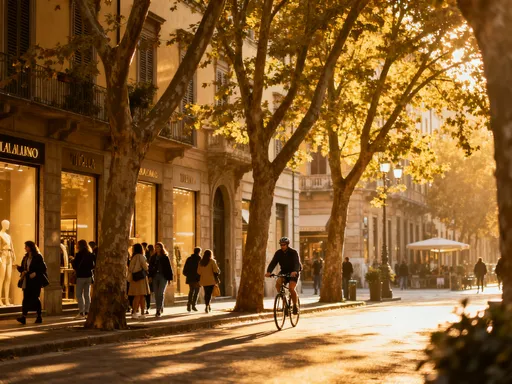
The urban energy is especially palpable in areas like Lungarno, the scenic boulevard that follows the curve of the Arno River. Here, locals jog, cycle, and pause at riverfront benches, while shopkeepers arrange displays and café staff set out tables under striped awnings. The pedestrian-friendly Corso Italia, another central artery, hums with foot traffic throughout the day, as residents run errands, meet friends, and browse storefronts. These spaces are not designed for tourists—they evolved organically to serve the needs of Pisans, making them ideal places to observe the city’s true spirit.
What sets Pisa apart is how its commercial life supports community connection. Shopping here is not just transactional; it’s relational. At neighborhood markets, vendors remember regular customers by name. In small bakeries, the same families have served the same recipes for generations. These interactions form the quiet backbone of civic life, reinforcing a sense of belonging that can’t be replicated in high-volume tourist zones. For the thoughtful traveler, engaging with these spaces offers a deeper, more meaningful way to experience the city—one that goes beyond sightseeing to genuine cultural immersion.
Corso Italia: The Beating Heart of City Shopping
If Pisa has a main stage for daily urban life, it is Corso Italia—the city’s principal shopping thoroughfare and a favorite among locals for everything from fashion to casual dining. Stretching from Piazza Vittorio Emanuele II toward the Arno River, this elegant street blends architectural charm with modern convenience, offering a curated mix of international brands and beloved Italian retailers. Unlike the overwhelming crowds of Florence’s Via de’ Tornabuoni or Milan’s Galleria Vittorio Emanuele II, Corso Italia maintains a relaxed pace, making it ideal for unhurried exploration and spontaneous discoveries.
Along its tree-lined sidewalks, shoppers will find an inviting array of boutiques and storefronts. Fashion enthusiasts can browse collections from well-known Italian labels like Liu Jo and Carpisa, while those seeking timeless style might pause at family-run shoe stores offering handcrafted leather footwear. Accessories, sunglasses, and seasonal apparel are displayed with care, often spilling onto the pavement in cheerful arrangements. Interspersed among these shops are inviting cafés and gelaterias, where locals stop for an espresso in the morning or a leisurely aperitivo in the late afternoon. The scent of fresh coffee and warm pastries often drifts into the street, adding to the sensory richness of the experience.
What makes Corso Italia particularly appealing is its accessibility. The street is fully pedestrianized in its central section, allowing visitors to stroll safely and comfortably, even with children or strollers. Storefronts are clean and well-maintained, with clear signage and welcoming displays. Many businesses offer window shopping at its finest—tempting passersby with mannequins dressed in seasonal styles or shelves lined with artisanal goods. Yet, this is not a commercial zone designed solely for tourists. The presence of banks, pharmacies, and everyday service providers confirms that Corso Italia remains a functional part of city life, serving both residents and visitors alike.
For those comparing Pisa’s shopping culture to other Italian cities, Corso Italia stands out for its balance of style and practicality. It lacks the intensity of Rome’s Via del Corso or the luxury markup of Venice’s Calle Larga, making it a refreshing alternative for travelers who want to shop like a local without sacrificing quality. Whether you’re looking for a lightweight summer dress, a pair of comfortable walking shoes, or a stylish leather bag, Corso Italia offers reliable options at fair prices. More importantly, it provides a window into how Pisans dress, shop, and socialize—a subtle but powerful form of cultural insight.
Mercato delle Erbe: A Feast for the Senses
Nestled in the heart of Pisa’s historic center, the Mercato delle Erbe is more than a marketplace—it is a living institution, a crossroads of flavor, tradition, and community. Originally established as a vegetable market in the early 20th century, this covered hall has evolved into a vibrant food destination where locals gather not just to shop, but to connect. Under its arched glass ceiling, the air is rich with the scent of ripe tomatoes, fresh basil, and aged pecorino cheese. The rhythmic sounds of chopping, bargaining, and friendly chatter create a symphony of daily life, making the market one of the most authentic places to experience Tuscan culture.
The market’s layout reflects its hybrid nature. One side remains dedicated to fresh produce, where vendors display seasonal fruits and vegetables in colorful abundance—plump figs in late summer, crisp artichokes in spring, and deep-red radicchio in winter. Adjacent stalls offer regional specialties: wheels of Parmigiano-Reggiano, jars of truffle honey, and baskets of olives cured in lemon and herbs. Butchers proudly present cuts of Chianina beef, while fishmongers arrange gleaming branzino and local seafood on beds of ice. For those seeking ready-to-eat options, small counters serve panini stuffed with porchetta, crostini with liver pâté, and slices of pizza al taglio hot from the oven.
What truly distinguishes Mercato delle Erbe is its role as a social hub. It is common to see elderly women inspecting mushrooms with practiced eyes, young chefs selecting ingredients for restaurant specials, and friends meeting for midday bites at communal tables. The market fosters intergenerational exchange—grandmothers teach grandchildren how to pick the ripest melon, while neighbors exchange recipes over shared espresso. Even the vendors contribute to this atmosphere, greeting regulars by name and offering samples with a smile. This sense of familiarity and trust is not manufactured for tourism; it is the natural result of decades of daily interaction.
In recent years, the market has undergone careful renovations to preserve its historic character while improving functionality. Modern lighting and sanitation systems have been added, but the original iron framework and terrazzo floors remain intact. Some stalls now accept credit cards, yet cash is still preferred by many small vendors, reinforcing the market’s artisanal feel. For visitors, navigating the space is both easy and rewarding. Signage is clear, and staff are accustomed to assisting non-Italian speakers. Whether you come to buy ingredients for a picnic, enjoy a quick lunch, or simply soak in the atmosphere, Mercato delle Erbe offers a multisensory journey into the heart of Pisan life.
Via San Martino and Via Santa Maria: Hidden Retail Gems
Just a short walk from the Leaning Tower, the parallel streets of Via San Martino and Via Santa Maria form a charming retail corridor that escapes the intensity of mass tourism. These historic lanes, lined with centuries-old buildings and shaded by overhead balconies, are home to a collection of independent shops, artisan workshops, and family-run businesses. Unlike the souvenir stalls near major attractions, the stores here cater to discerning locals and curious travelers seeking authentic experiences. This is where Pisa’s quieter, more personal side reveals itself—one boutique, bookshop, and leather bag at a time.
Via San Martino, in particular, is renowned for its concentration of artisan leather goods. Pisa has long been associated with fine leather craftsmanship, and several workshops along this street continue the tradition with hand-stitched bags, wallets, and belts. Many shops operate as both retail outlets and ateliers, allowing visitors to watch artisans at work—cutting, dyeing, and polishing hides with meticulous care. These pieces are not mass-produced; each carries the mark of individual craftsmanship, often customizable to the buyer’s preference. For travelers seeking meaningful souvenirs, a handcrafted leather item from Via San Martino offers both beauty and lasting value.
Alongside leather boutiques, the street hosts an eclectic mix of specialty stores. Book lovers will appreciate the presence of Libreria Palomar, an independent bookstore offering titles in Italian and English, with a focus on literature, travel, and art. Music enthusiasts might stumble upon a vintage vinyl shop, where crates of 1960s Italian pop and classical recordings invite browsing. Wine shops staffed by passionate sommeliers offer curated selections of Tuscan wines, from crisp Vernaccia to bold Chianti Classico, often available for tasting before purchase.
Via Santa Maria, running parallel and equally enchanting, complements this retail landscape with its blend of history and commerce. Here, one might find a tiny apothecary selling natural soaps and essential oils, a family-owned stationery shop with hand-illustrated cards, or a boutique offering sustainable fashion from Italian designers. The architecture itself enhances the experience—medieval facades, arched doorways, and wrought-iron details frame each storefront like a painting. Because these streets are not part of the main tourist circuit, prices tend to be fair, and interactions with shopkeepers are personal and unhurried.
For travelers, the key to enjoying these areas lies in slowing down. Rather than rushing from store to store, take time to engage—with a bookseller’s recommendation, a leather artisan’s story, or a winemaker’s insight. These moments of connection transform shopping from a transaction into a memory. Moreover, they support small businesses that contribute to Pisa’s cultural resilience. By choosing to explore Via San Martino and Via Santa Maria, visitors do more than find unique items; they participate in the preservation of local heritage.
Shopping with a View: The Arno River and Ponte di Mezzo
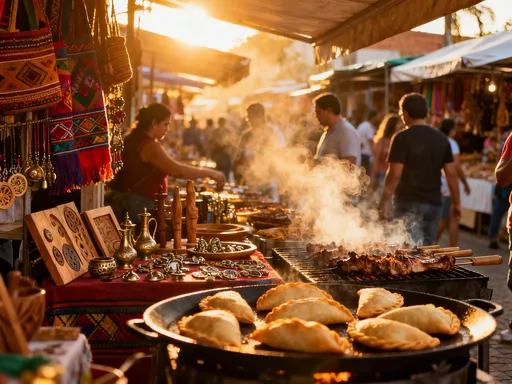
One of Pisa’s most enchanting commercial experiences unfolds along the banks of the Arno River, particularly around the Ponte di Mezzo, the central bridge connecting the city’s two halves. Here, scenic beauty and small-scale commerce coexist in harmonious balance. As the river flows gently beneath stone arches, open-air stalls line the walkways, offering an array of handmade goods, local crafts, and souvenirs. Jewelry made with semi-precious stones, hand-painted ceramics, and vintage postcards are displayed on wooden tables, inviting casual browsing under the open sky.
The atmosphere changes with the time of day. In the early morning, the light glows golden on the water, casting long reflections of leaning towers and cypress trees. This is the ideal moment for photography, when the bridge is relatively quiet and the city feels still. By midday, the area becomes livelier, with tourists pausing between sightseeing stops and locals taking lunch breaks by the river. In the late afternoon, as the sun begins to dip, couples stroll hand in hand, and street musicians occasionally perform, adding a soft soundtrack to the scene.
What makes this riverside shopping experience special is its authenticity. Unlike commercial zones designed solely for tourists, the stalls along the Arno are operated by local artisans and independent vendors who have earned the right to sell in this prime location. Many of the items are made in Tuscany, reflecting regional aesthetics and craftsmanship. A silver pendant might feature an Etruscan-inspired design, while a ceramic plate could depict scenes from Pisan history. These are not mass-produced trinkets; they are wearable and usable pieces of art.
The Ponte di Mezzo itself is a historic landmark, rebuilt after World War II but faithful to its original 13th-century design. Standing at its center offers a panoramic view of the city—upriver toward the medieval towers, downriver toward the modern cityscape. It is also a natural gathering point, where people pause to take in the view, feed the swans, or simply enjoy the breeze. For shoppers, this setting transforms commerce into an experience. Buying a small keepsake here feels less like a transaction and more like a ritual—a way to carry a piece of Pisa’s beauty home.
Local Life in Quartiere San Francesco: Off the Beaten Path
To truly understand how Pisans live, one must venture beyond the historic center into neighborhoods like Quartiere San Francesco, located just west of the Arno. This residential district offers a quieter, more intimate portrait of the city—one defined by routine, familiarity, and community. Here, daily life unfolds at a gentle pace: children walk to school, elderly neighbors chat on benches, and shopkeepers unlock their doors with the same rhythm each morning. The commercial landscape reflects this authenticity, dominated by small bakeries, family-run bars, and neighborhood grocery stores.
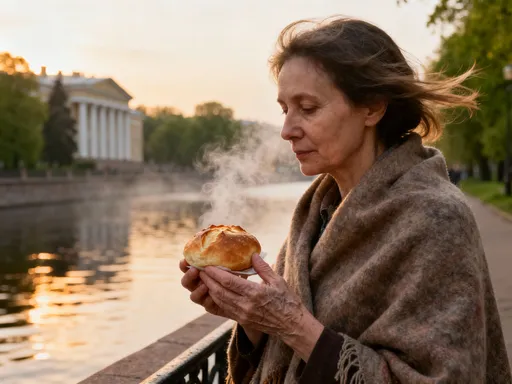
Breakfast in Quartiere San Francesco often begins at a local pastry shop, where the scent of warm cornetti—Italy’s answer to croissants—drifts onto the sidewalk. These are not the overly sweet versions found in tourist cafes, but simple, buttery pastries filled with apricot jam or custard, meant to be enjoyed with a strong espresso. Nearby, a macelleria (butcher shop) displays fresh cuts of meat, while a frutteria (fruit stand) offers seasonal produce sourced from nearby farms. Prices are modest, and service is personal—shopkeepers often know their customers by name and remember their usual orders.
The area also hosts smaller, less formal markets that operate on specific days of the week. These temporary stalls sell fresh bread, eggs, cheese, and seasonal vegetables, often brought in from rural farms in the Tuscan countryside. Transactions are cash-based, and bargaining is not expected, but friendly conversation is part of the exchange. For visitors, shopping here requires a bit more effort—knowing the market days, carrying small bills, and perhaps using simple Italian phrases—but the rewards are immense. This is where one sees how Pisans actually eat, shop, and live, far from the curated image presented in guidebooks.
Quartiere San Francesco also offers a glimpse into Pisa’s academic side. Located near the University of Pisa’s science and engineering departments, the neighborhood attracts students, researchers, and young professionals. This demographic influence is visible in the mix of affordable eateries, secondhand bookstores, and casual wine bars that dot the side streets. A lunchtime queue at a tiny paninoteca might include lab-coated students and retired professors alike, united by their love of a good sandwich. This blend of generations and professions adds depth to the neighborhood’s character, making it a microcosm of Pisa’s broader social fabric.
Practical Tips for Exploring Pisa’s Commercial Side
To make the most of Pisa’s vibrant commercial culture, timing and preparation are key. For the best experience at markets like Mercato delle Erbe or neighborhood stalls, aim to arrive in the morning, ideally between 8:00 and 10:30 a.m. This is when produce is freshest, bakeries have just pulled bread from the oven, and crowds are manageable. Later in the day, especially on weekends, these spaces can become busy, reducing the opportunity for relaxed exploration.
Cash remains essential for small vendors, particularly at outdoor markets, street stalls, and family-run shops. While larger stores and restaurants increasingly accept credit cards, many artisans and independent sellers operate on a cash-only basis. It is advisable to carry a mix of small euro bills and coins to facilitate smooth transactions and show respect for local customs. Tipping is not expected in markets or shops, but a polite “grazie” goes a long way in building goodwill.
When evaluating quality, look for signs of authenticity. In leather shops, examine stitching, smell the material, and ask about the origin of the hide. At food stalls, observe how ingredients are stored and whether items are made on-site. Locals often serve as the best guide—notice where they shop and what they order. If a nonna is buying olives from a particular vendor, it’s likely a good choice.
Pricing in Pisa is generally fair, especially outside the immediate vicinity of major attractions. While souvenirs near the Leaning Tower may carry higher price tags, those in residential areas or independent boutiques offer better value. Don’t hesitate to ask questions—Italians appreciate genuine interest, and polite curiosity is welcomed. Learning a few basic Italian phrases, such as “Quanto costa?” (How much does it cost?) or “Posso provare?” (Can I try?), enhances the experience and fosters connection.
Finally, remember that shopping in Pisa is not merely about acquiring objects—it is about participating in a culture of care, craftsmanship, and community. Each purchase, whether a loaf of bread or a hand-stitched bag, supports a tradition that has shaped the city for generations. By engaging with Pisa’s commercial life with respect and curiosity, travelers gain more than souvenirs; they gain insight, connection, and a deeper appreciation for the heartbeat of this remarkable city.
Conclusion
Pisa’s commercial areas reveal a side of the city that postcards often miss. They’re not just places to spend money—they’re where culture thrives, traditions continue, and connections form. By stepping into markets, side streets, and local haunts, travelers gain a deeper, more human understanding of this historic city. The real magic of Pisa isn’t in its tilt—it’s in its heartbeat.