You Won’t Believe This Secret Dining Scene in Kazan
Tucked between the Volga and Kazanka rivers, Kazan feels like a hidden gem most travelers overlook. But what blew my mind wasn’t just the stunning mosques or ancient kremlin—it was the food. I stumbled upon a side of Kazan’s dining culture that no guidebook mentions: intimate, flavor-packed, and deeply rooted in Tatar tradition. From smoke-kissed echpochmak in backyard kitchens to modern twists in unmarked courtyards, this city serves up magic one bite at a time. What makes Kazan’s culinary scene truly special is not only its rich blend of flavors but the way meals are woven into the fabric of daily life, community, and identity. This is not dining for show—it’s dining with soul.
The Hidden Heart of Kazan’s Culinary Identity
Kazan’s food culture is a living testament to centuries of cultural fusion, where Tatar heritage meets Russian practicality and Central Asian spice routes. Located at the crossroads of Europe and Asia, the city has long been a meeting point for merchants, scholars, and families from diverse backgrounds. This convergence is most vividly expressed in its cuisine, where every dish tells a story of migration, adaptation, and pride. Unlike many tourist-centric destinations where local food is diluted for mass appeal, Kazan preserves authenticity not in museums, but on dinner tables and street carts.
The heart of Kazan’s culinary identity beats strongest in neighborhoods where tradition is not performed but lived. In places like Staro-Tatarskaya Sloboda, the aroma of baking dough and slow-cooked meat drifts through narrow lanes lined with wooden houses painted in soft pastels. These homes often double as informal kitchens, where grandmothers and daughters prepare generations-old recipes without fanfare. It is here, far from the polished plazas of the Kremlin, that visitors encounter the true essence of Tatar cooking—simple ingredients transformed through patience and care into deeply satisfying meals.
What sets this cuisine apart is its balance of richness and restraint. Dishes are rarely overly spiced, yet each bite unfolds layers of flavor built through slow cooking and thoughtful combinations. Meat, especially lamb and horse, plays a central role, but vegetables, grains, and dairy are equally honored. The use of sour cream, homemade yogurt, and fermented drinks like ayran provides a cooling contrast to hearty, meat-filled pastries. This culinary philosophy reflects the Tatar values of hospitality, resourcefulness, and respect for nature’s seasonal offerings.
Beyond the Kremlin Walls: Where Locals Really Eat
While tourists flock to the central squares and riverside restaurants, the real dining magic happens in residential districts where menus are handwritten, seating is limited, and the pace of life slows to match the rhythm of meal preparation. One such area is Aviastroitelny, a neighborhood originally built for aircraft factory workers, now known for its unpretentious eateries and strong community ties. Here, a typical morning might begin with the scent of freshly baked boortsog—a fluffy, deep-fried bread—wafting from a corner bakery.
Stolovas, or Soviet-era canteens, remain a staple of everyday life. These no-frills dining halls serve hot, affordable meals to workers, students, and retirees. Though they may lack decor, their food is often superior to that of more polished downtown restaurants. A visit to a local stolova reveals a rotating menu of borscht, pelmeni, and kazylyk, the prized Tatar delicacy made from air-dried horse sausage. Sliced thinly and served with dark rye bread and pickled vegetables, kazylyk offers a rich, gamey flavor that surprises and delights first-time tasters.
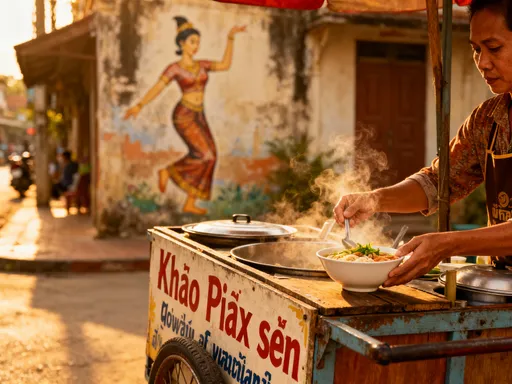
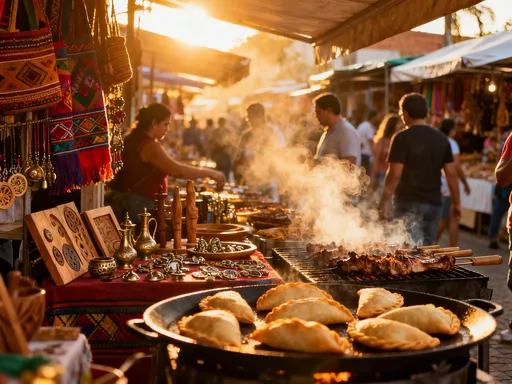
Street vendors also play a vital role in Kazan’s food ecosystem. Near tram stops and market entrances, small carts sell chak-chak, a honey-soaked pastry made from twisted dough balls. Watching a vendor dip golden mounds into bubbling honey is a mesmerizing experience, and the result—crispy on the outside, tender within—is a beloved treat at weddings, holidays, and family gatherings. Unlike mass-produced versions found in supermarkets, the handmade chak-chak from local vendors carries a personal touch, often made with family recipes passed down through generations.
These neighborhood spots thrive not on marketing or aesthetics but on trust and consistency. They are places where regulars are greeted by name, where children are welcomed at tables, and where meals are seen as moments of connection rather than transactions. For travelers willing to venture beyond the postcard-perfect sights, these unassuming venues offer a rare window into the rhythm of daily Kazan life.
The Secret of Home Cooking: Dining with Tatar Families
One of the most profound ways to experience Kazan’s cuisine is by dining in a Tatar home. In recent years, a quiet movement has emerged—local families opening their doors to curious travelers through informal networks, cultural exchange platforms, and small-scale hospitality programs. These gatherings are not performances but genuine expressions of Tatar hospitality, where guests are treated as honored visitors rather than customers.
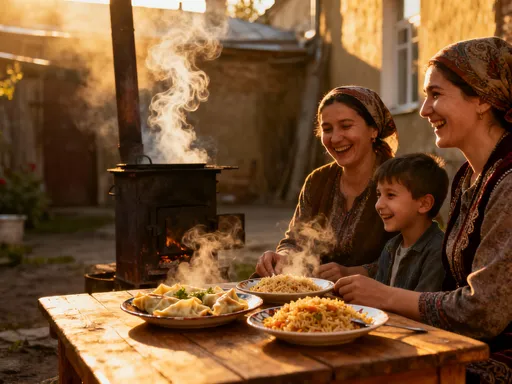
A typical home meal begins with a spread of small dishes: pickled mushrooms, marinated tomatoes, fresh herbs, and bowls of thick sour cream. Then come the stars—multi-course feasts that showcase the breadth of Tatar culinary art. Pilaw, a fragrant rice dish cooked with lamb, carrots, and raisins, is often the centerpiece. Unlike the spicier versions found in Central Asia, Kazan-style pilaw is subtly seasoned, allowing the natural sweetness of the ingredients to shine. It is served in a large dastarkhan, a traditional cloth spread on the floor or table, symbolizing abundance and unity.
Manti, steamed dumplings filled with spiced meat and onions, follow closely behind. Each fold of the dough is shaped by hand, and the act of making them together is often a family ritual. Guests are sometimes invited to help, turning the meal into a shared experience. Alongside these staples, hosts may serve lesser-known dishes like belyash—deep-fried meat buns—or sügäniä, a creamy cottage cheese dessert flavored with vanilla and served chilled.
But the meal is about more than food. It is a time for storytelling, laughter, and connection. Elders speak of childhood memories, guests share their travels, and music—sometimes live Tatar folk tunes—fills the room. The atmosphere is warm, unhurried, and deeply human. Visitors often leave not only full but moved, having glimpsed a way of life where generosity is not an act but a way of being.
Underground Eateries and Courtyard Cafés
Hidden within Kazan’s maze of courtyards and alleyways, a new generation of culinary spaces is quietly redefining the city’s food scene. These underground eateries—often nameless, unmarked, and accessible only through word of mouth or discreet social media posts—are where tradition meets innovation. Tucked behind unassuming doors, they reveal interiors styled with antique Tatar furnishings, handwoven textiles, and soft lighting that creates an intimate, almost sacred dining atmosphere.
One such venue, located in a 19th-century merchant house, offers a rotating tasting menu that reimagines classic dishes with modern techniques. Here, echpochmak—normally a triangular meat pie baked in a tandoor oven—might be served as a deconstructed version, with flaky pastry shards layered over slow-braised beef and caramelized onions. Another spot, accessible only through a narrow passage off Baumana Street, specializes in fermented Tatar dairy products, pairing them with seasonal foraged herbs and local honey.
What unites these spaces is their commitment to authenticity and experience. Menus change weekly based on ingredient availability, and chefs often introduce each course personally, explaining its roots and inspirations. Reservations are typically required, sometimes booked weeks in advance, and many operate on a supper-club model, hosting only one seating per night. This exclusivity is not about elitism but about preserving intimacy and quality.
Local food bloggers and cultural curators play a crucial role in uncovering and promoting these hidden gems. Through Instagram stories, food diaries, and small print guides, they guide both locals and visitors to places that would otherwise remain invisible. Their influence has helped shift the narrative around Kazan’s dining scene—from one focused on convenience and tourism to one centered on discovery, craftsmanship, and cultural pride.
Must-Try Dishes and How to Order Like a Local
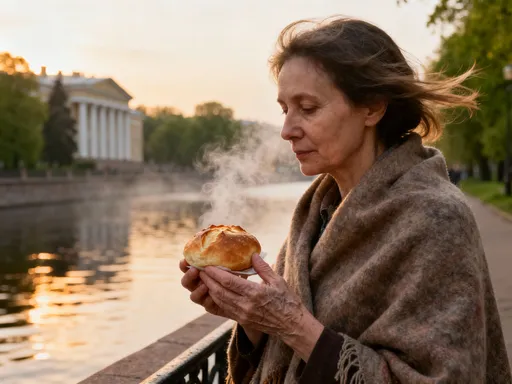
To truly savor Kazan’s cuisine, certain dishes are essential. Echpochmak, the iconic Tatar meat pie, is a must. Made with layers of leavened dough wrapped around a filling of lamb, onion, and potato, it is traditionally baked in a wood-fired oven, giving it a smoky depth. The key to enjoying it like a local is to eat it warm, with a pinch of black pepper and a glass of hot green tea.
Another signature dish is gubadiya, a labor-intensive layered pie often reserved for special occasions. It can contain up to seven components, including rice, dried fruits, nuts, and minced meat, all encased in thin, hand-rolled dough. Each family has its own variation, and being served gubadiya is considered a high honor. When offered, it is polite to accept with both hands and express gratitude in Russian or Tatar—“Räxmät” (thank you) goes a long way.
Öyräme, a type of stuffed flatbread similar to a savory pancake, is another favorite. Cooked on a griddle and filled with pumpkin, potatoes, or cottage cheese, it is often eaten for breakfast or as a snack. Locals typically pair it with a bowl of ayran, a salty yogurt drink that aids digestion and cools the palate.
When ordering, pronunciation matters less than attitude. Staff appreciate the effort, even if your “chak-chak” comes out as “shak-shak.” Pointing at what others are eating, smiling, and saying “Kak eto nazivayetsya?” (“What is this called?”) can lead to warm interactions and unexpected recommendations. Above all, resist the urge to rush. Meals in Kazan are meant to be lingered over, with time for conversation, second helpings, and tea refills. Rushing through a meal is seen not as efficiency but as a missed opportunity for connection.
Practical Tips for Discovering Kazan’s Food Secrets
For travelers seeking authentic culinary experiences, timing and approach are everything. The best time to visit Kazan is from late spring to early autumn, when outdoor markets are in full swing, and home dining opportunities are more frequent. Festival season, particularly around Sabantuy in June, offers a chance to sample traditional foods in festive, communal settings.
To find non-touristy spots, avoid relying solely on international review platforms. Instead, use local resources like Yandex Maps or ask hotel staff or taxi drivers for their favorite places. Many of the best eateries have no online presence or only a VKontakte (Russian social media) page. Carrying a small phrasebook or using a translation app can help bridge language gaps and show respect for local culture.
When invited into a home, remember to remove your shoes at the door—a common practice in Tatar households. Bringing a small gift, such as pastries from another region or a bottle of tea, is a thoughtful gesture. Dress modestly and arrive on time, as punctuality is valued. During the meal, accept food with the right hand or both hands, and try a bit of everything offered as a sign of appreciation.
For deeper access, consider joining a small-group food walk led by a local guide. These tours, often limited to six to eight participants, take guests to hidden bakeries, home kitchens, and courtyard cafés not listed in guidebooks. Guides share stories about ingredients, cooking methods, and cultural significance, enriching the experience beyond taste alone. These walks are not just about eating—they are immersive lessons in Tatar life.
Why This Experience Changes How You See Travel
Dining in Kazan is more than a sensory delight—it is a lesson in slowing down, opening up, and seeing the world through the lens of another culture. In an age of fast travel and curated Instagram moments, these hidden food experiences offer something rare: authenticity, connection, and humility. They remind us that the most meaningful journeys are not measured in miles but in moments of shared humanity.
When you sit at a Tatar family’s table, eat a pie baked in a backyard oven, or discover a nameless café in a centuries-old courtyard, you are not just consuming food—you are participating in a living tradition. You are welcomed not as a tourist but as a guest, and that distinction changes everything. It shifts the focus from seeing to understanding, from collecting sights to building bridges.
Travel that centers on food, especially food rooted in culture and community, has the power to dissolve stereotypes and foster empathy. It teaches us that despite differences in language, faith, or history, the act of sharing a meal remains a universal language. In Kazan, that language is spoken with warmth, pride, and generosity—one plate at a time.
So come with an open mind and an open stomach. Let go of the need for convenience and comfort. Seek out the unmarked doors, the whispered recommendations, the homes that open to strangers. Because in Kazan, the real journey doesn’t begin at the airport or the hotel. It begins at the table, where stories are told, bonds are formed, and memories are made—one unforgettable bite at a time.